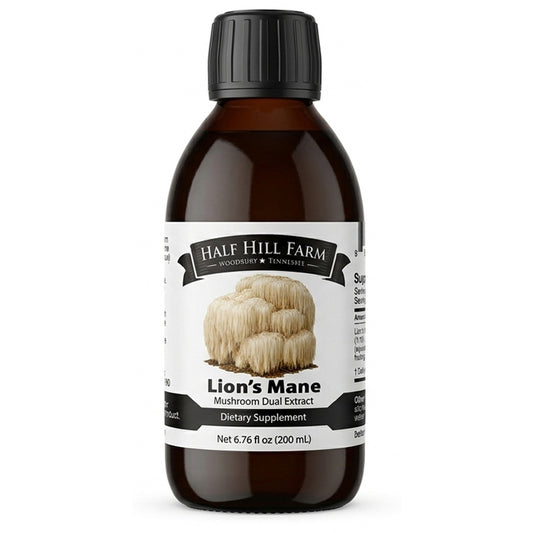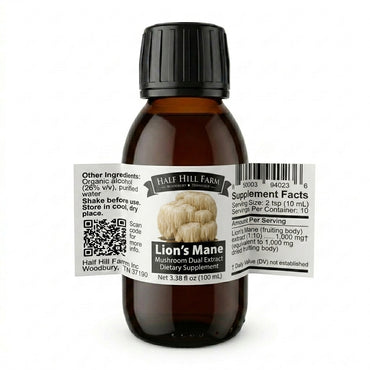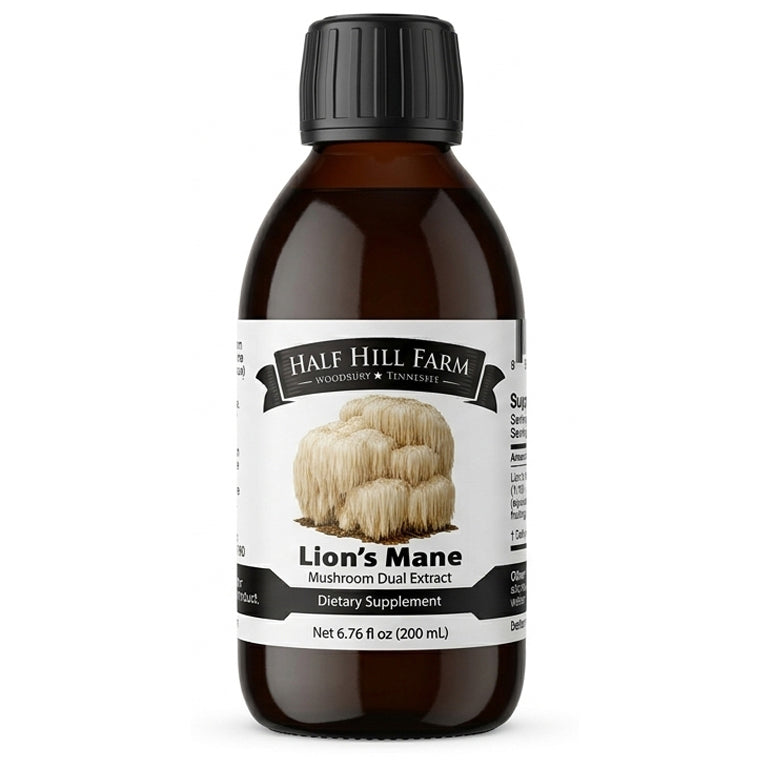


Lion's Mane Mushroom Taxonomic Hierarchy
- Kingdom: Fungi
- Division: Basidiomycota
- Class: Agaricomycetes
- Order: Russulales
- Family: Hericiaceae
- Genus: Hericium
- Species: H. erinaceus (Bull.) Pers.
Etymology and Historical Context: Hericium and erinaceus both mean "hedgehog" in Latin. In Japan, it is Yamabushitake, named after the Yamabushi monks. In China, it is Hou Tou Gu (Monkey Head Mushroom). Historically, it was a choice delicacy served to royalty and used by monks to maintain focus during meditation.
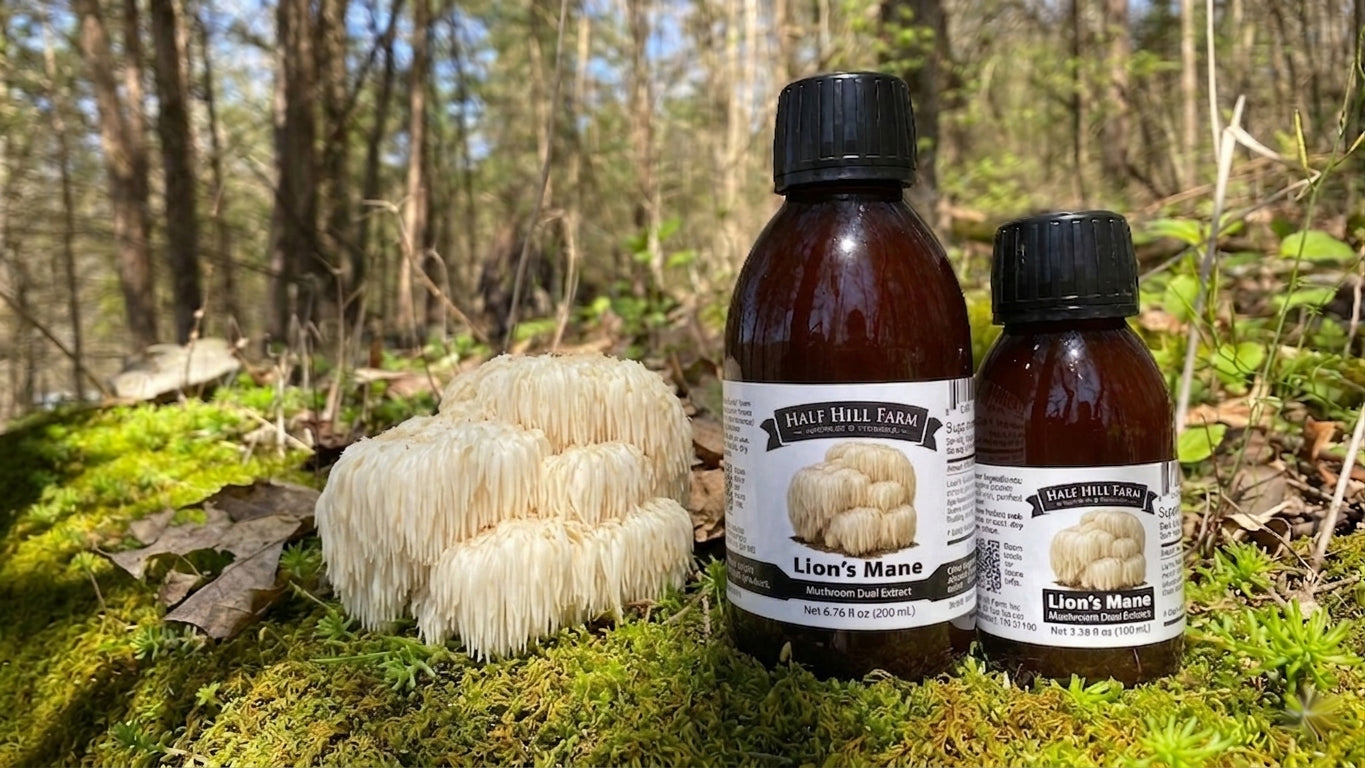
Natural Habitat and Distribution: Lion's Mane is a facultative parasite and saprotroph that grows on dead or dying hardwoods, particularly beech, maple, and oak, throughout the Northern Hemisphere. It appears as a singular mass of long, white cascading spines.
Environmental Growth Parameters
- Temperature: Prefers cooler temperatures, ideally 15°C–21°C.
- Humidity: Extremely sensitive to dry air; requires 85%–95% RH.
- Light: Minimal indirect light (500 lux) is required to initiate the downward growth of the spines.
Lifecycle: The Fruiting Body Standard
- Mycelium Phase: 10–14 days.
- Mature Fruiting Body: 30–45 days.
- The Difference: While the fruiting body forms relatively quickly, the cascading "teeth" (spines) only develop in the final 10–14 days of the cycle. This final stage is critical for the synthesis of hericenones, which are generally absent in the early mycelial stage.
Bioactive MycoPeptides of Lion's Mane Mushrooms: Sitting at roughly 22% protein by dry weight, Lion's Mane (Hericium erinaceus) provides the fundamental amino-acid building blocks your brain needs, alongside highly specific bioactive peptides.
-
HE-Peptides (e.g., LPGKVIAS): Bioactive peptides that strongly support immune defense by promoting healthy macrophage activity and maintaining the integrity of the gut barrier.*
-
Erina-peptides: Antioxidant-rich peptide structures that healthy neural metabolism.*
- Complete Amino Acid Matrix: Provides a highly bioavailable foundation of essential amino acids that the body requires to synthesize healthy structural proteins and maintain a healthy nervous system.*
 The Quality Benchmark: The chemistry of Lion's Mane is compartmentalized. While mycelium contains erinacines, the hericenones—the primary compounds of interest—are localized in the mature fruiting body.
Purity and Extraction Standards: Extracts should be derived from the "icicle" stage of the fungus to ensure the presence of the full chemical profile.
- The Comparison: Most industry-standard powders are "fermented grain" products where the mycelium is ground with the rice substrate, resulting in Alpha-Glucan (starch) levels up to 60%.
- The Marker: A pure fruiting body extract provides a Beta-Glucan to Alpha-Glucan ratio that identifies it as 100% pure fungal tissue with Alpha-Glucans <5%.
Ways to Consume Lion’s Mane Mushroom (Hericium erinaceus): Lion’s Mane is a choice gourmet edible often prepared as a culinary delicacy due to its tender, seafood-like texture. While eating the fresh mushroom is a popular way to enjoy its flavor, the raw dried powder used in many supplements is still limited by the "Chitin Lock." To reach the therapeutic concentrations of hericenones found in the mature cascading spines, a concentrated extract is preferred. Extraction dissolves the chitinous cell walls, providing a level of potency and bioavailability that exceeds what is possible through standard culinary consumption.
Technical Specifications of Lion's Mane Mushrooms
- MycoBank ID: MB#356812
- Microscopy: Spores 5.5–7 \times 4.5–6 \mu; globose, amyloid.
- Genetic Marker: DNA verified via ITS rDNA barcoding.
- Macrochemical: Melzer’s Reagent: Spores show a positive amyloid (blue-black) reaction.
- Chemotaxonomy: Hericenones (A-H); Erinacines (A-I); Cyathane-derived diterpenoids.
- Nutritional Mode: Facultative Parasite / Saprobe; Heart-Rot (Hardwood).
- Life Cycle State: Holomorph; Amyloid Basidiospores (Teeth/Spines).
- Purity Marker: Beta-Glucan >25% / Alpha-Glucan <5% (identifies use of mature fruiting body over starch-heavy mycelium-on-grain).
- Sustainability: Cultivated fruiting bodies are the standard to protect wild populations.
*These statements have not been evaluated by the Food and Drug Administration. This product is not intended to diagnose, treat, cure, or prevent any disease.
----------
Christian Grantham is a founder of Half Hill Farm®, maker of functional mushroom dual extracts since 2012.