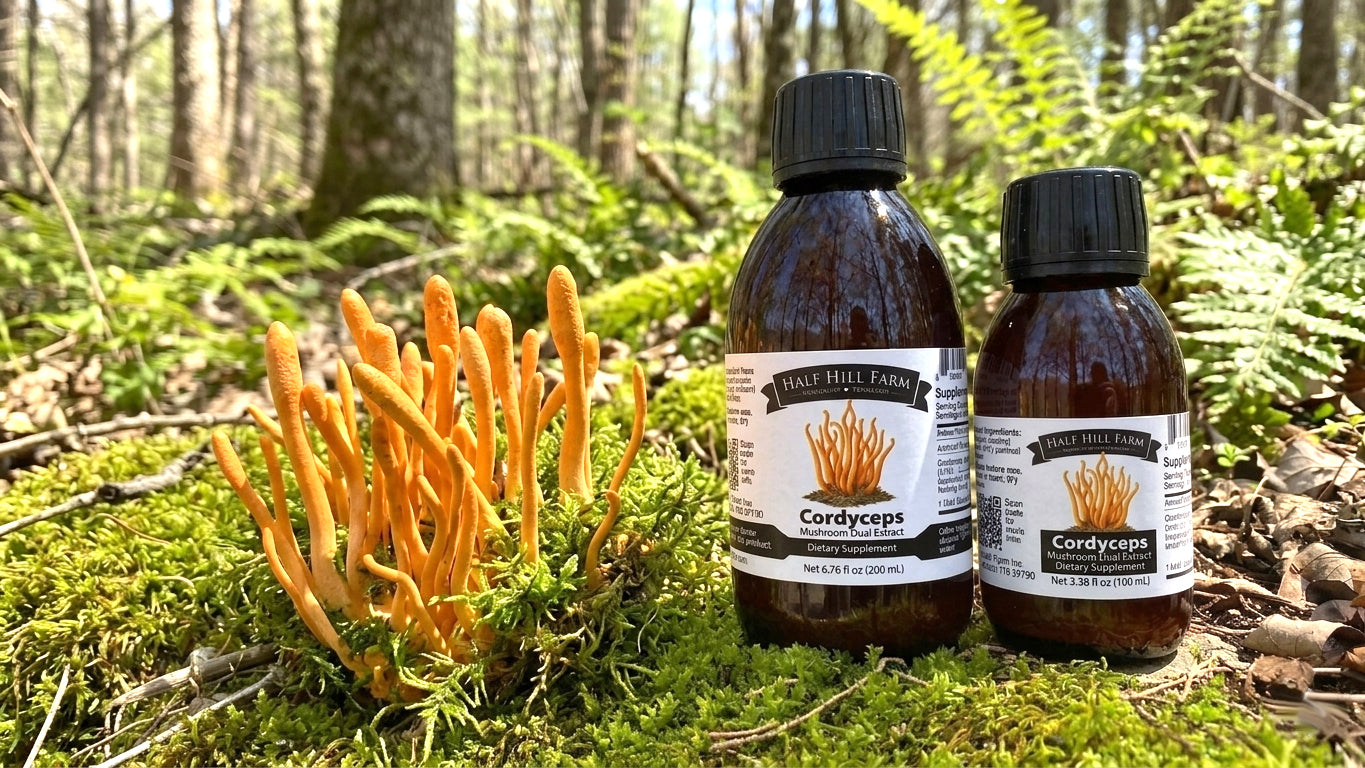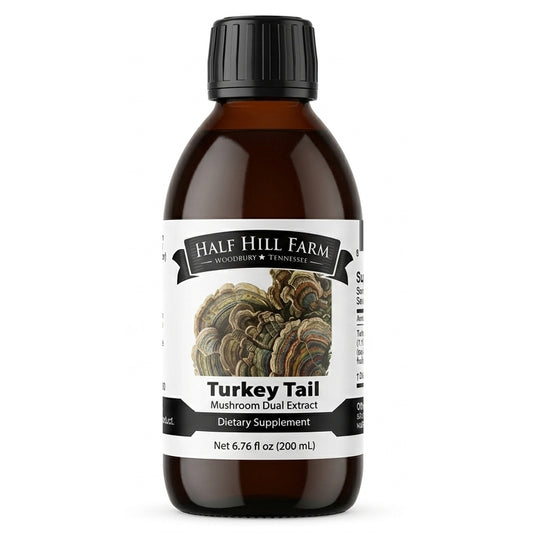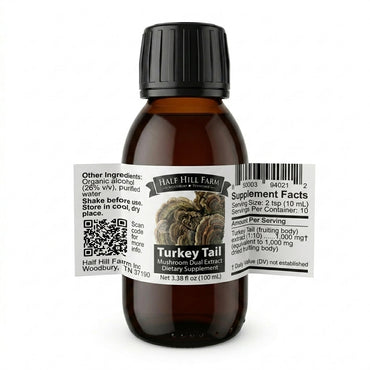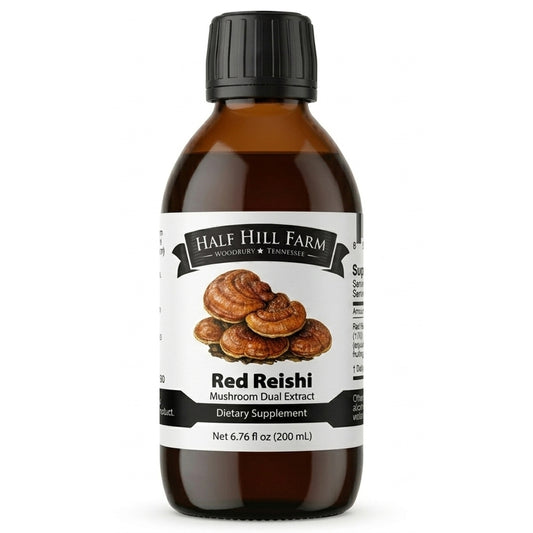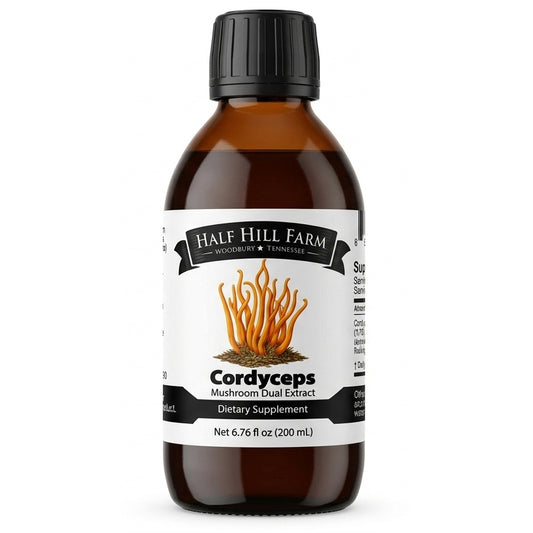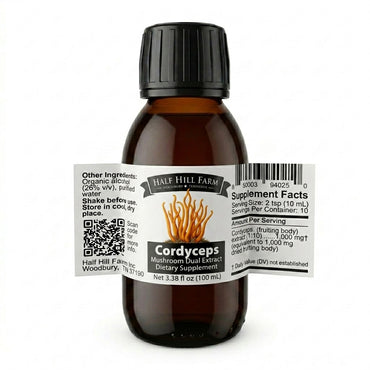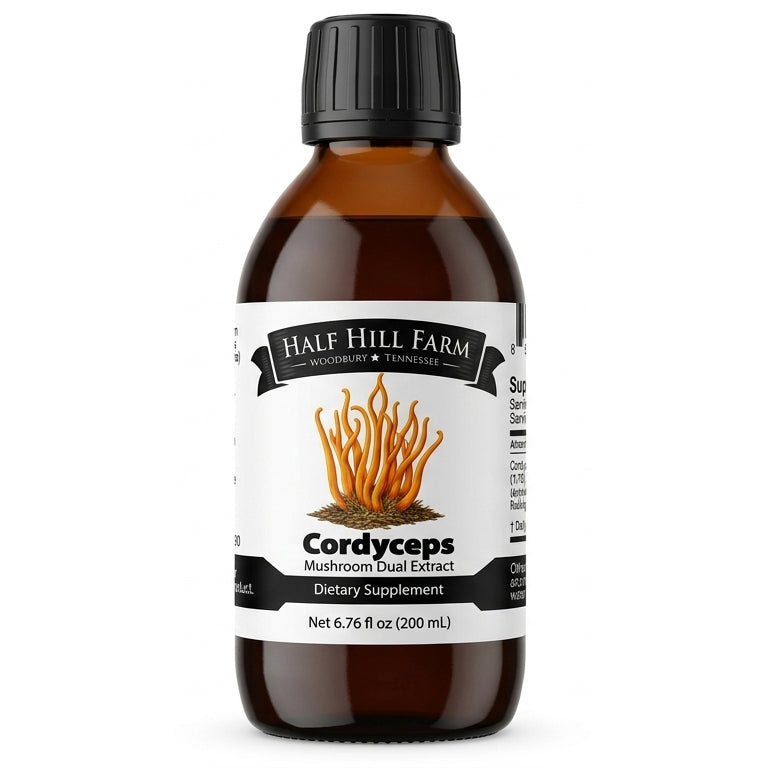


Cordyceps Mushroom Taxonomic Hierarchy
- Kingdom: Fungi
- Division: Ascomycota
- Class: Sordariomycetes
- Order: Hypocreales
- Family: Cordycipitaceae
- Genus: Cordyceps
- Species: C. militaris (L.) Fr.
Etymology and Historical Context: Cordyceps comes from the Greek kordyle (club) and Latin ceps (head). Historically known as Dong Chong Xia Cao (Winter Worm, Summer Grass), wild Cordyceps was so rare it was restricted exclusively to the Chinese Imperial Court.
Natural Habitat and Biology: In the wild, C. militaris is an entomopathogenic fungus that emerges from the soil after parasitizing insect pupae in temperate forests. It plays a key role in regulating forest insect populations.
Environmental Growth Parameters
- Temperature: Requires cool-to-moderate conditions, roughly 18°C–23°C.
- Humidity: Needs very high humidity (90%+ RH).
- Light: Requires high-intensity blue light (450nm) to trigger cordycepin production.
Lifecycle: The Stroma Standard
- Mycelium Phase: 14–21 days.
- Mature Fruiting Body: 60–80 days.
- The Difference: Industrial "CS-4" Cordyceps is pure mycelium grown in liquid in about 2 weeks. To reach a standardized level of Cordycepin, the fungus must be allowed to fruit into orange stalks (stroma), a process that requires nearly 60 days and specific light triggers.
Bioactive MycoPeptides of Cordyceps Mushrooms: Forget caffeine jitters; Cordyceps (Codyceps militaris) produces peptides that natively supports healthy cellular metabolism.*
-
Cordymin: A highly active peptide that supports a healthy inflammatory response and natural cellular defense.*
-
Cordycedipeptide A: Promotes healthy cellular energy production (ATP) and supports optimal oxygen utilization during physical exertion.*
- Cordamides: Bioactive peptides that promote natural stamina, healthy physical endurance, and healthy metabolic balance without the crash associated with central nervous system stimulants.*
 The Quality Benchmark: The defining compound, Cordycepin, is significantly more concentrated in the mature orange fruiting stalks than in the white vegetative mycelium.
Purity and Extraction Standards: To ensure potency, extracts must be derived from the stalks rather than the liquid-fermented mycelium (CS-4) or grain-based biomass.
- The Comparison: Grain-based Cordyceps products often present high Alpha-Glucan levels (starch) and low cordycepin yields.
- The Marker: The deep orange pigmentation of the extract is a visual verification of cordycepin and adenosine density, confirmed by Alpha-Glucan levels <5%.
Ways to Consume Cordyceps Mushroom (Cordyceps militaris): While C. militaris is non-toxic and technically edible, its small, string-like stalks are rarely used in traditional cooking. In a supplemental context, the primary metabolites—cordycepin and adenosine—are embedded within the fungal stroma (the stalks). Because raw fungal cellulose is difficult for the human GI tract to process, these mushrooms are most effectively consumed as a concentrated extract. This process separates the specific nucleoside analogues from the biomass, delivering them in a soluble format that the body can readily absorb.
Technical Specifications of Cordyceps Mushrooms
- MycoBank ID: MB#211028
- Microscopy: Ascospores 3.5–6 \times 1–1.5 \mu; thread-like.
- Genetic Marker: Verified via ITS1/ITS4 and LSU sequencing.
- Macrochemical: KOH Reaction: Surface turns slightly reddish/purple.
- Chemotaxonomy: 3'-deoxyadenosine (Cordycepin); Adenosine.
- Nutritional Mode: Entomopathogen; Host-specific (Lepidoptera).
- Life Cycle State: Holomorph; Sexual Stroma (Perithecial).
- Purity Marker: Beta-Glucan >25% / Alpha-Glucan <5% (confirms extraction from mature stroma stalks rather than liquid-fermented mycelium).
- Sustainability: Vegan-cultivated fruiting bodies provide the only ethical, sustainable alternative to wild harvesting.
*These statements have not been evaluated by the Food and Drug Administration. This product is not intended to diagnose, treat, cure, or prevent any disease.
----------
Christian Grantham is a founder of Half Hill Farm®, maker of functional mushroom dual extracts since 2012.