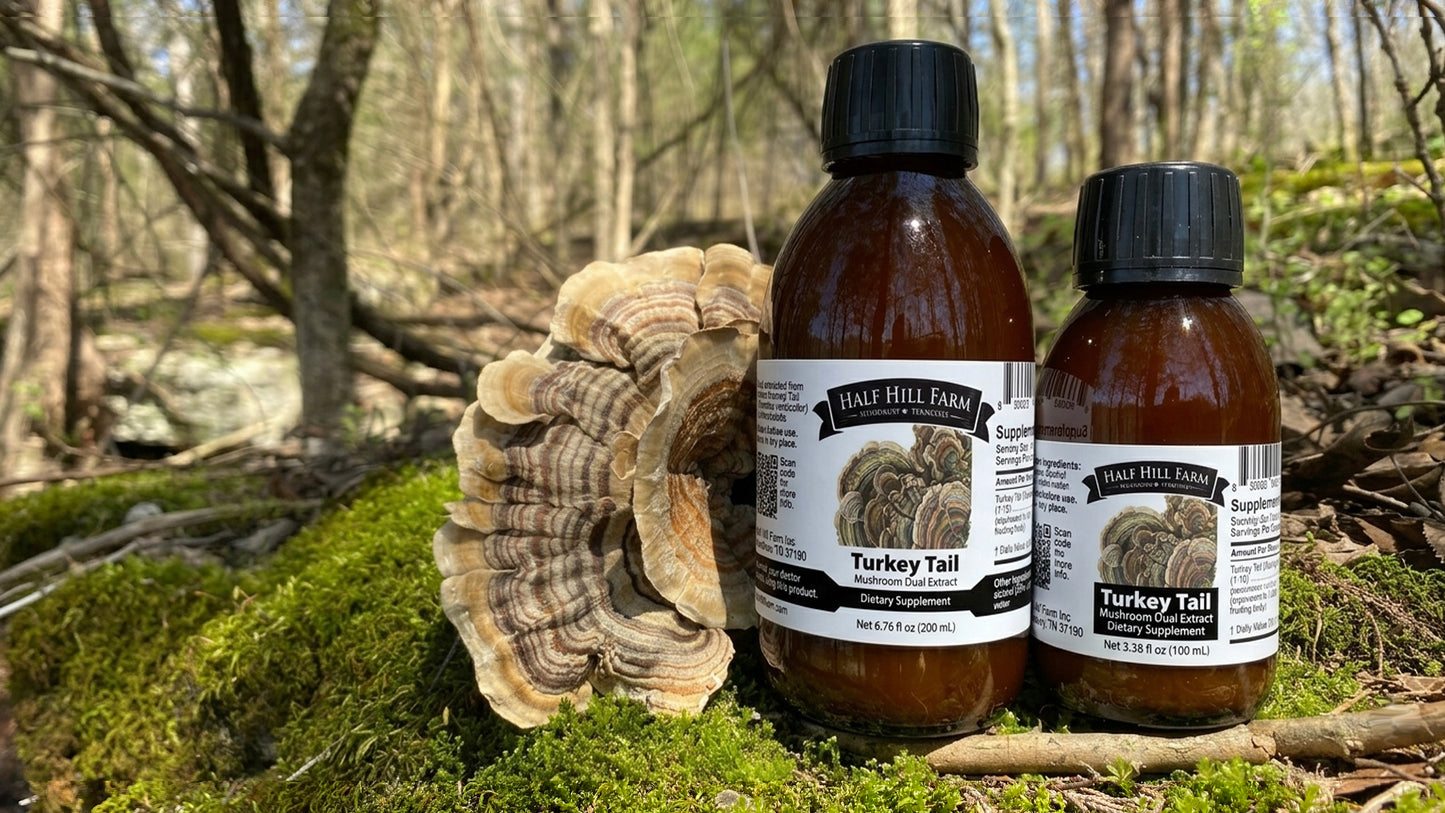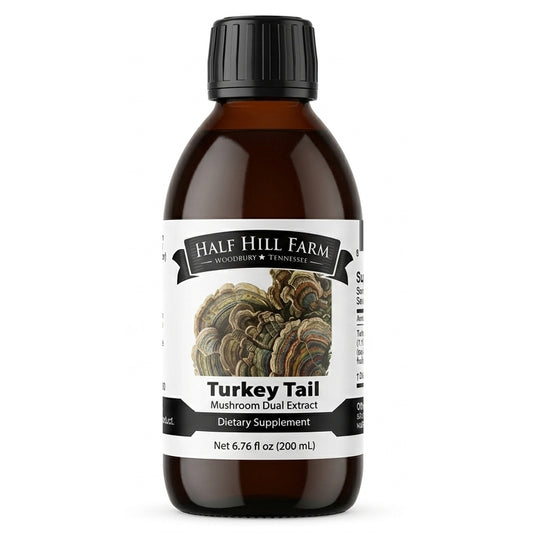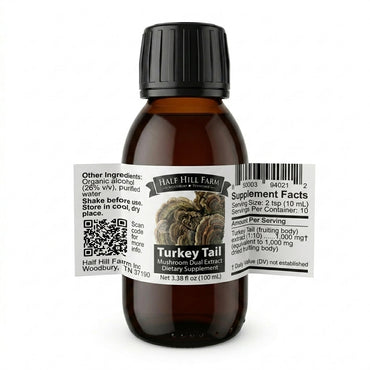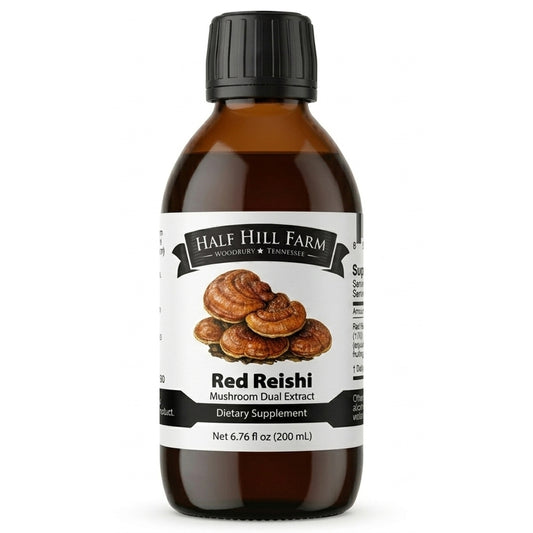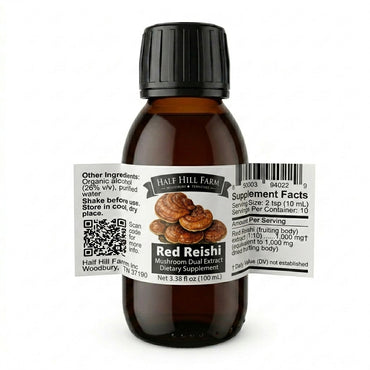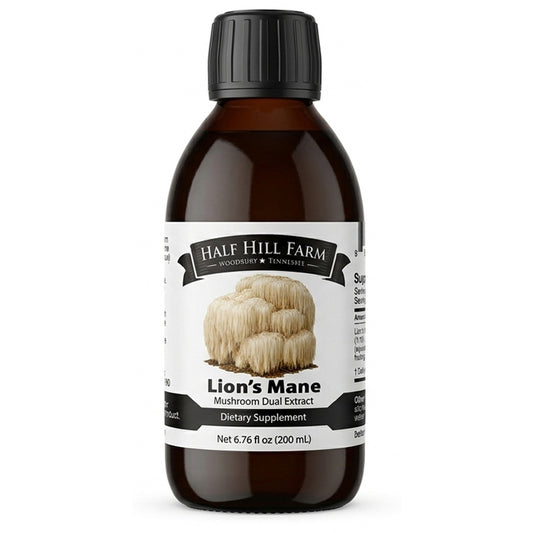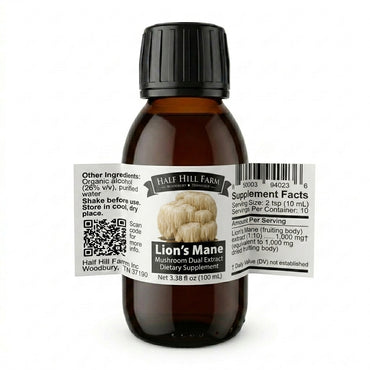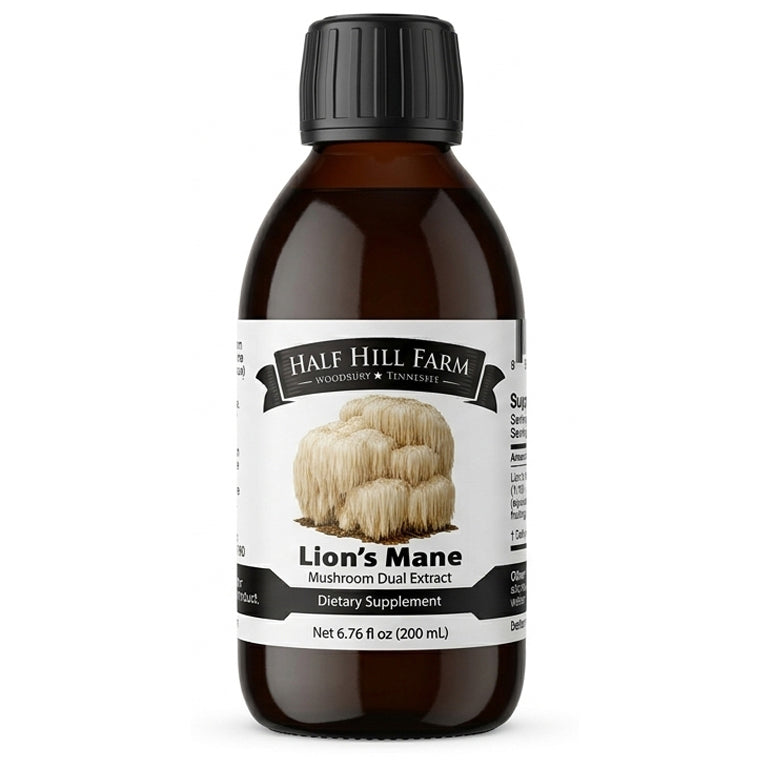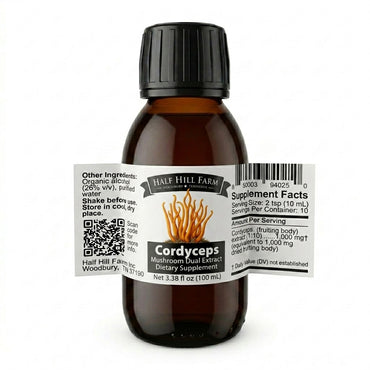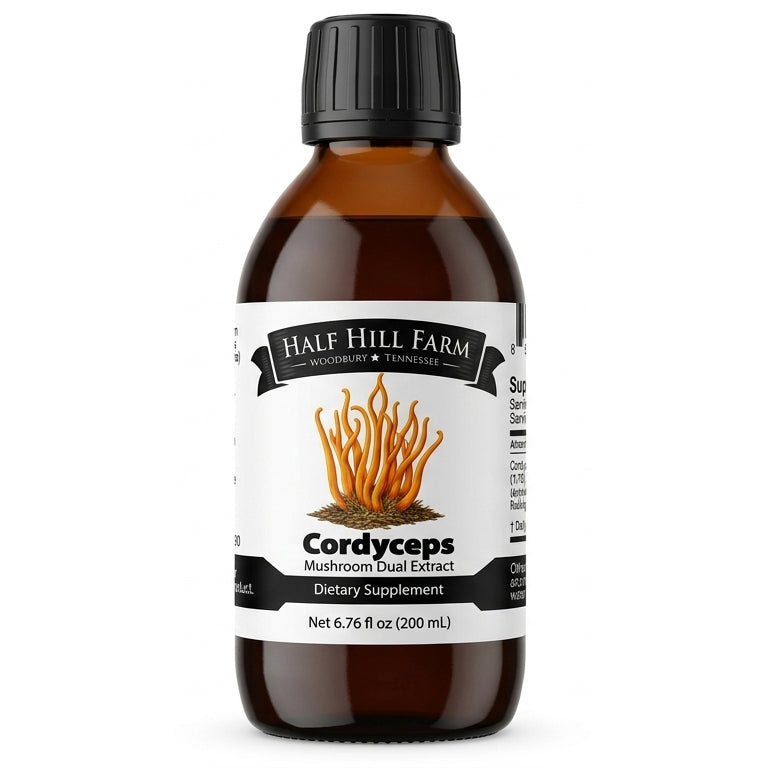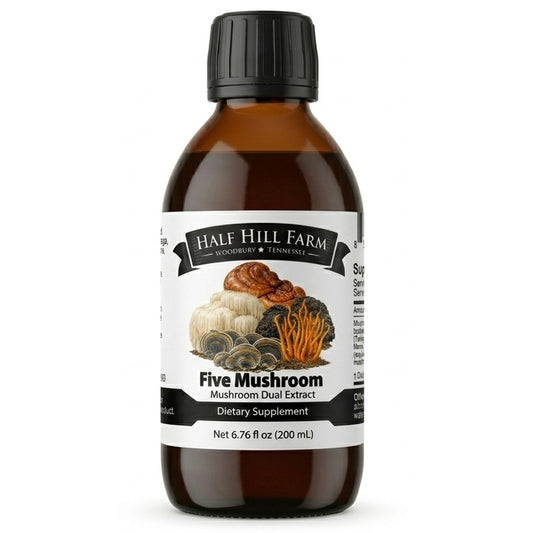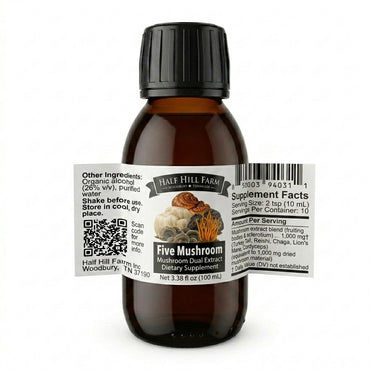
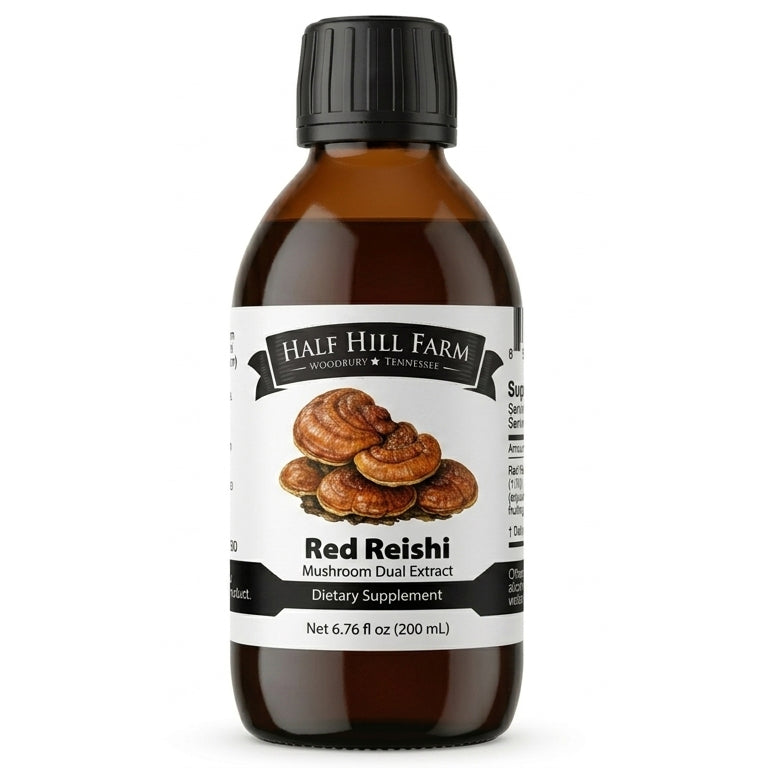


Do you actually know what is inside your powdered mushroom supplement? That question is exactly what started Half Hill Farm over a decade ago.
In 2015, the New York Attorney General’s office launched a massive, unprecedented investigation into the herbal supplement industry. Using DNA barcoding, they tested store-brand supplements at four major national retailers. The results sent shockwaves through the industry: 80% of the products tested did not contain the herbs listed on their labels. Instead of Ginkgo or Ginseng, the capsules were packed with cheap, pulverized fillers like rice, wheat, asparagus, and even houseplants.
That investigation exposed a terrifying reality about the dietary supplement supply chain. Today, that exact same dishonest cost-cutting tactic is fueling the profits of unscrupulous actors in a booming functional mushroom industry.
The market is flooded with heavily marketed mushroom products, mostly made from myceliated grain marketed as mushrooms, but behind some of the slick branding lies an uncomfortable supply chain secret. Like the findings in New York's 2015 investigation, powdered ingredients are hiding cost-cutting that profits from consumer trust.
Here is a look at data exposing the powdered mushroom supply chain, and another reason why Half Hill Farm uses only whole, fully mature, U.S. grown mushrooms in our mushroom supplements to ensure identity, purity, and strength of our product.
The Reishi Reality Check: The DNA Doesn't Lie
When scientists realized how easily the supplement industry was faking herbal powders with rice starch, they turned their attention to the booming functional mushroom market. What they found was staggering.
Independent scientific bodies have repeatedly tested commercial "Reishi" supplements, exposing a massive adulteration crisis:
-
The 74% Failure Rate: Triggered by the New York investigation, a landmark study published in Scientific Reports analyzed 19 different "Reishi" supplements purchased in the United States. They found that only 26% of the products actually contained true Reishi matching the required triterpene profile. The other 74% contained substituted species or were primarily just starchy grain fillers.
-
The DNA Barcoding Audit: A massive Frontiers in Microbiology DNA study of commercial Reishi pills and powders found that suppliers were routinely substituting authentic Red Reishi for cheaper, easier-to-grow species like Ganoderma applanatum (Artist's Conk) and G. sinense (Black Reishi).
- The 2025 Market Audit: A recent molecular identification study of 84 commercial Ganoderma batches found 16 completely different adulterants mixed into the supply chain, noting that the vast majority of tested samples did not match the ingredients on their own labels.
Once a supplier overseas grinds a raw material into a fine brown powder, visual identification becomes impossible. It allows fraudulent suppliers to substitute cheap ingredients, knowing the brand buying the powder will never notice the difference or look the other way.
Mycelium on Grain: "Mushroom" Powder or Pulverized Tempeh?
When suppliers aren't swapping out species, they are utilizing an even more lucrative loophole: Mycelium on Grain (MOG).
Many popular powdered products on the market are not actually made from the fully mature mushrooms depicted on their labels. Instead, the manufacturer grows mycelium (the root-like structure of the fungus) on a plastic bag full of sterilized oats or brown rice for roughly 14-30 days. They then grind up the entire bag—grain and all—and market it as a "mushroom supplement" using images of mature mushrooms.

As we have covered before, mycelium grown on grain is fundamentally different from a mature fruiting body. The process does create unique nutrients from processing the grain through fermentation, but in reality, it is much closer to tempeh (a fermented soybean cake) than it is to the actual mushroom depicted on their labels.
The analytical data proves this. Nammex, a leading global authority on mushroom testing, utilized the gold-standard Megazyme testing method to analyze commercial U.S. mycelium powders. They found that these MOG powders often contain 30% to 60% pure grain starch (alpha-glucans) and an abysmal 6% of the active beta-glucans consumers are actually looking for.

Independent watchdogs have noticed as well. ConsumerLab recently tested popular Lion's Mane and Chaga supplements and completely rejected multiple products for mislabeling, noting they were actually just mycelium or contained far less beta-glucan than expected. Consumers buying these powders are paying premium prices for pulverized oats.
Shareholders vs. Consumers
Why does the industry operate this way? The fact is businesses and suppliers focused solely on profit always find each other no matter the industry. Growing real, fully mature mushrooms takes months, and traditional dual-extraction takes weeks that investors in the fast and cheap lane don't have the patience for. Grinding up a 30-day-old bag of myceliated oats takes minutes.
The powder model is a business strategy that trades quality and value for the consumer with speed and profit for the investor. By cutting the two most expensive elements providing value to the consumer—time and quality components—they shift the value to shareholders.
The Half Hill Farm Standard: Another reason We Use Whole Fully Mature Mushrooms
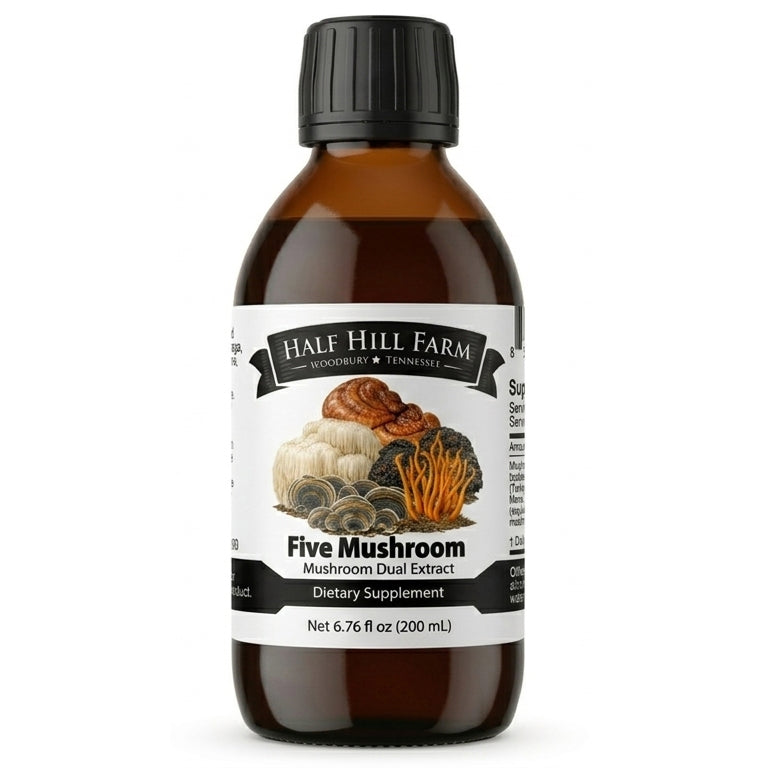
Value Driven: Removing all doubt behind knowing what is in a mushroom supplement capsule is why Half Hill Farm started. The widespread supply chain issue that dishonestly profits on consumer trust is another reason why Half Hill Farm does what we do. We only source and process whole, fully mature, U.S. grown mushrooms. When we could not find a mushroom product that met our needs for a family member 14 years ago, we created our product using whole ingredients and traditional processes to remove all doubts.
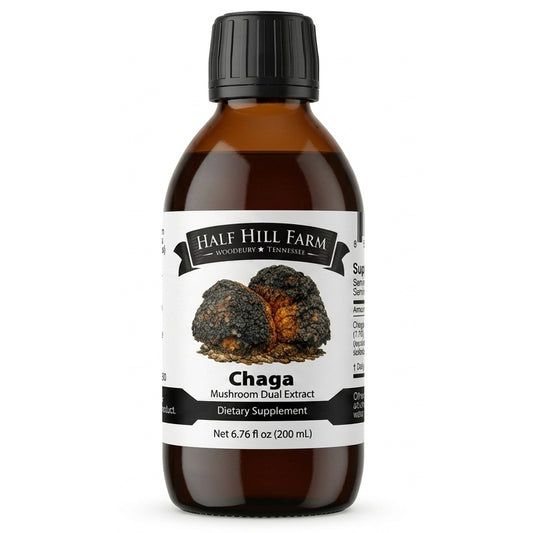
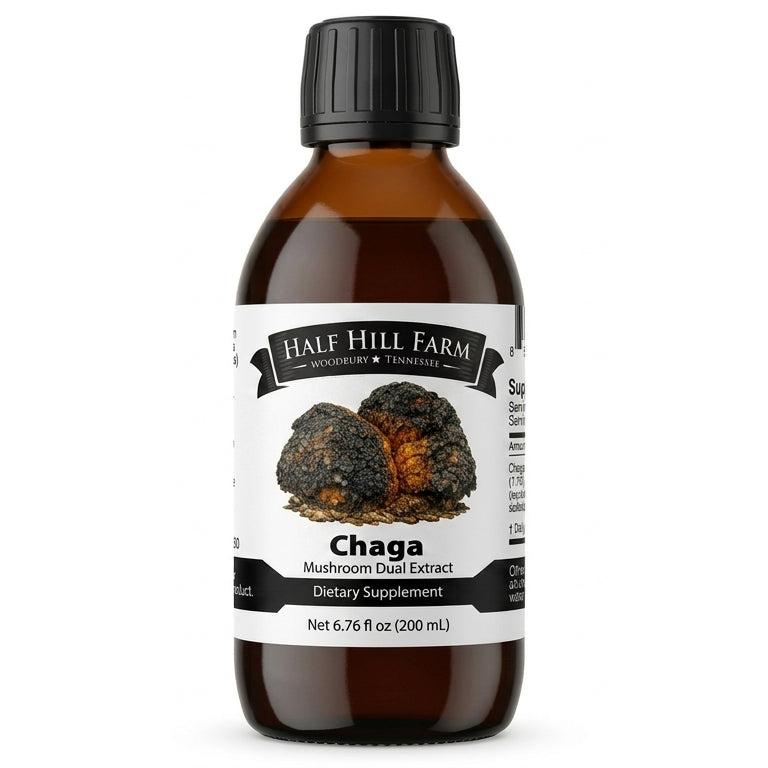
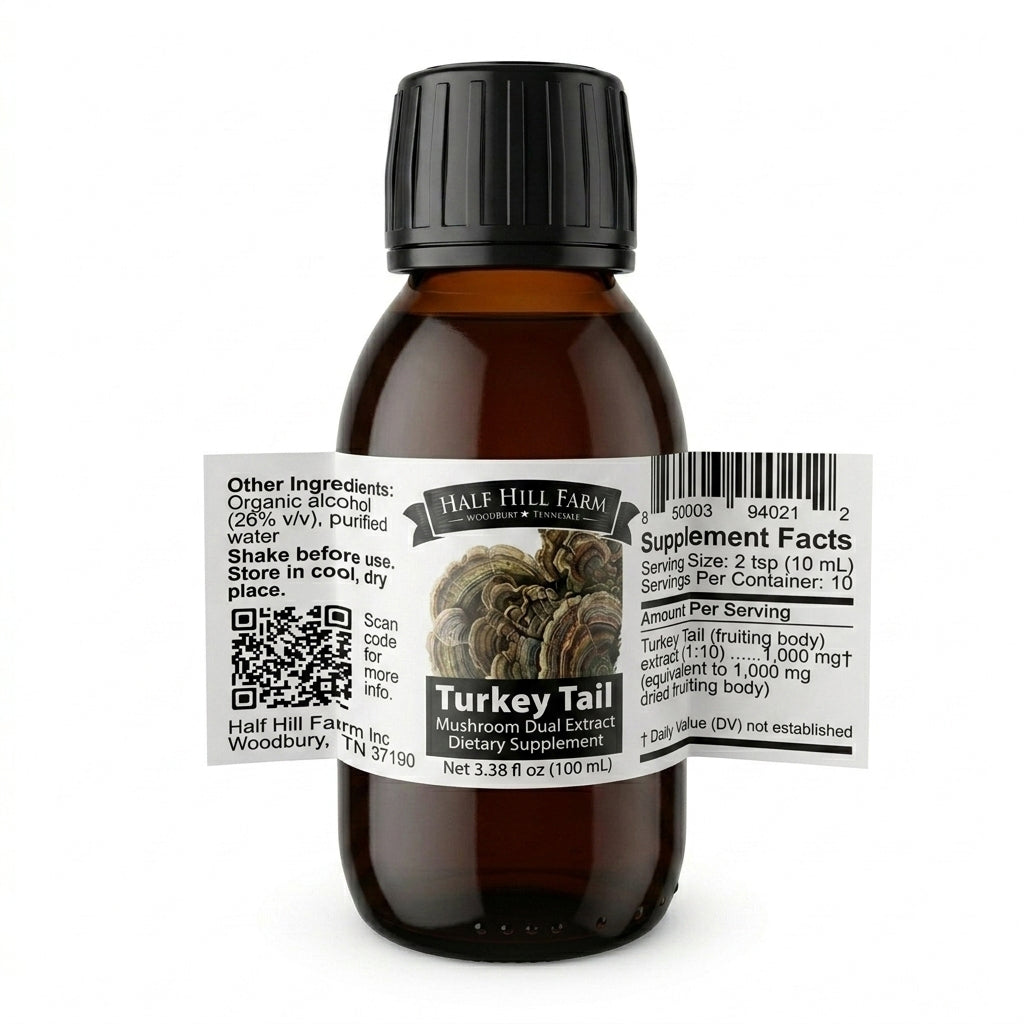
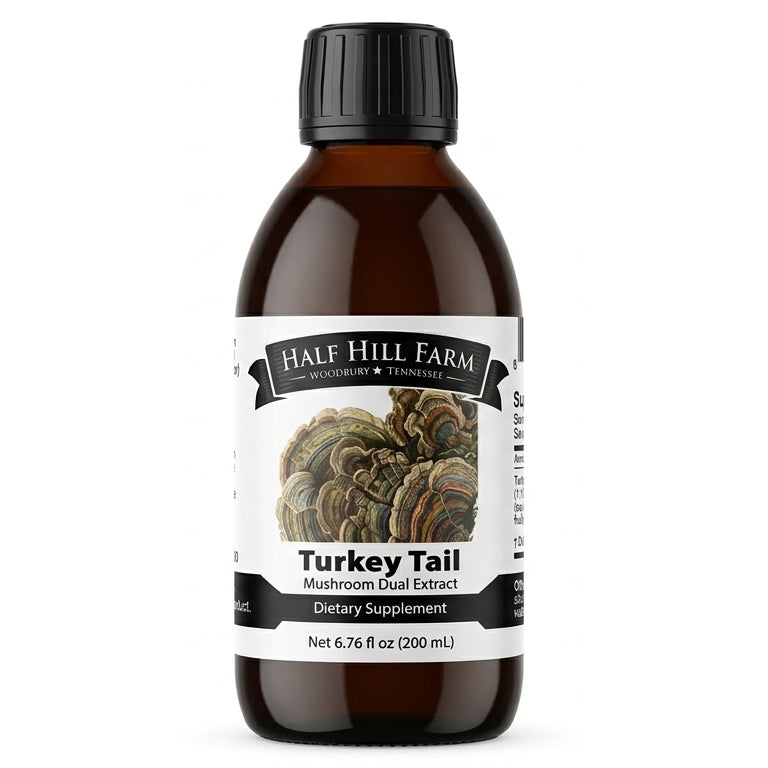
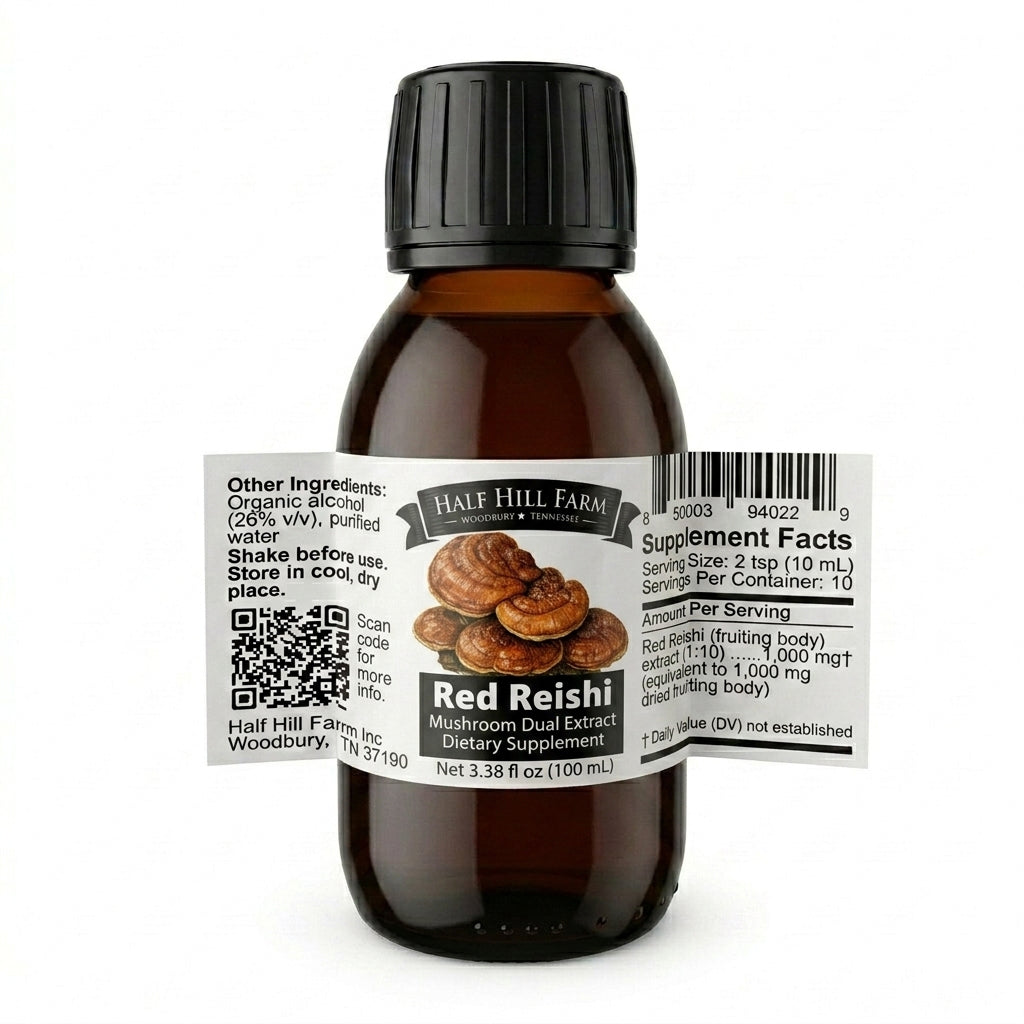
Whole Ingredients: By handling the physical, whole fruiting bodies right here in our U.S. facility, we completely eliminate the powder blind spot. It allows us to lean on our expertise in growing mushrooms to perform strict organoleptic testing (visual, physical, and olfactory verification) before extraction begins. We can physically see the laccate shine of the Reishi, verify the mature banded coloration and pores of the Turkey Tail, and feel the dense woody structure and deep colorations of the Chaga.
Traditional Extraction: Furthermore, we do not expect your digestive system to break down these dense, woody structures. We invest the weeks of time necessary to perform a rigorous, traditional dual-extraction process. By processing the whole mushrooms in both hot water and organic alcohol, we dissolve the tough chitin walls and remove biomass that raw powders leave behind, capturing the full spectrum of triterpenes and water-soluble compounds.
When you buy a mushroom supplement, you should be getting the actual mushroom, not a fast-tracked imitation.
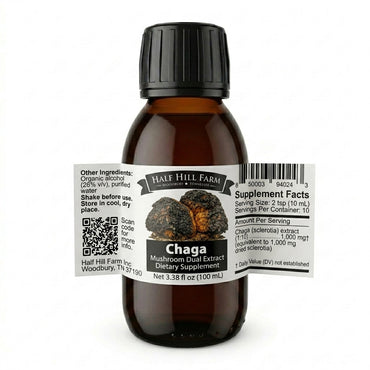
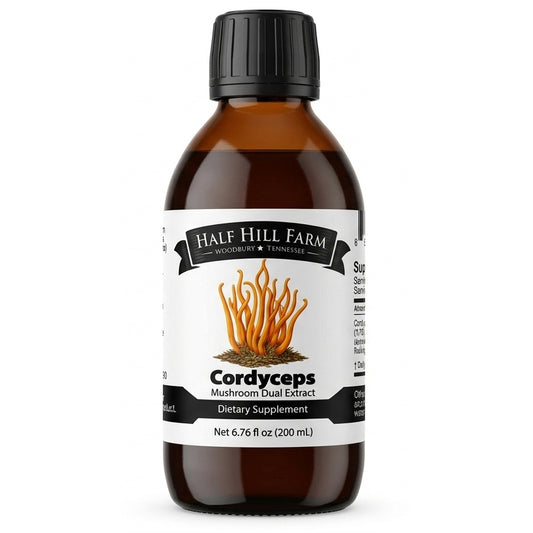
Experience the difference that time, maturity, and absolute transparency make. Explore our Mushroom Dual Extracts and support healthy well-being with the uncompromised quality of fully mature mushrooms.
Learn More:
- The Life Cycle of Mushrooms: Why Maturity Matters
- How extraction unlocks the biological resilience of mushrooms
- Mycelium vs. Fruiting Body: What Do Myceliated Grain Capsules Have In Common with Tempeh?
- The Ethnobotanical Etymology of The Five Mushroom Protocol
----------
Christian Grantham is a founder of Half Hill Farm®, maker of functional mushroom dual extracts since 2012