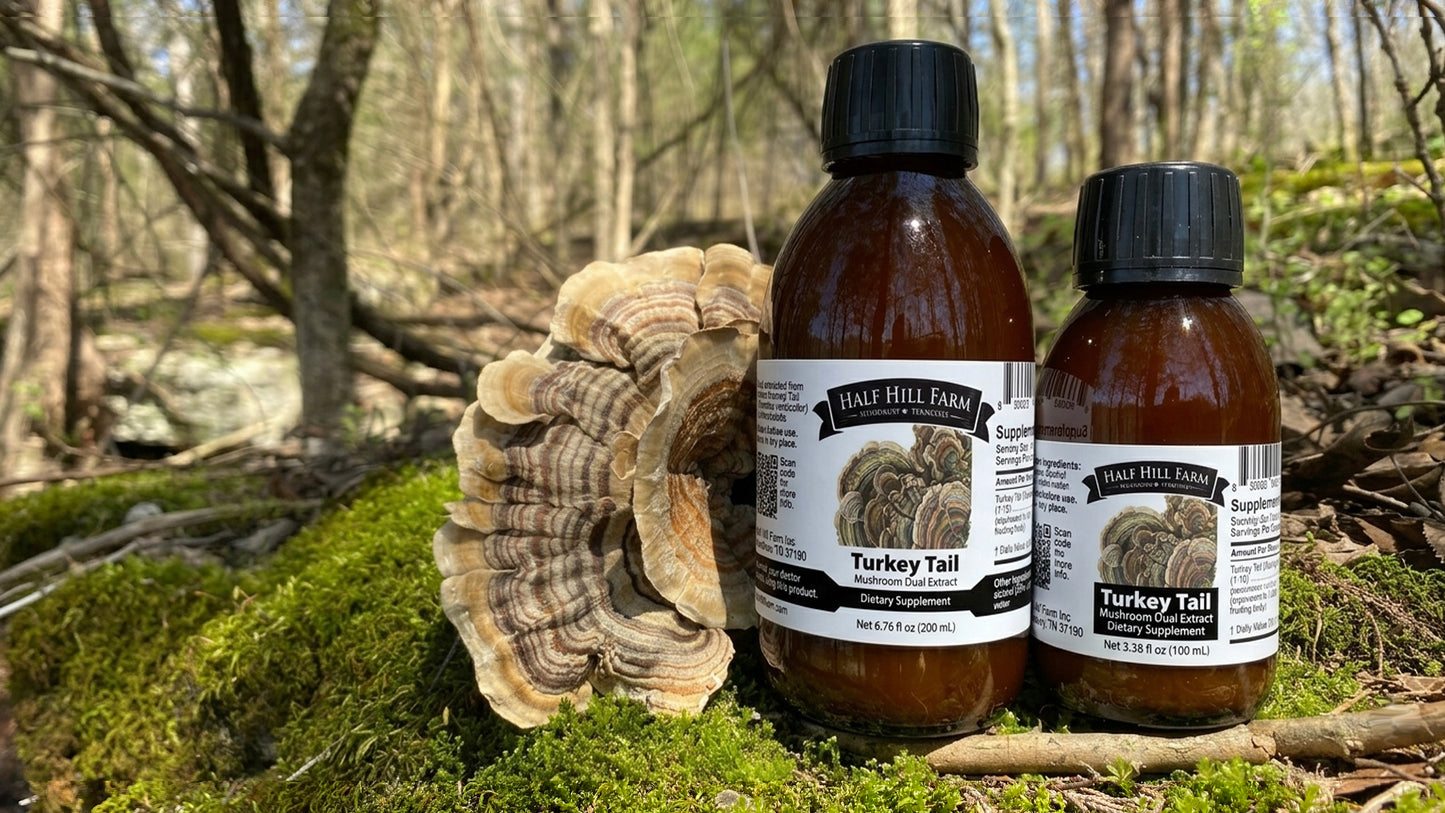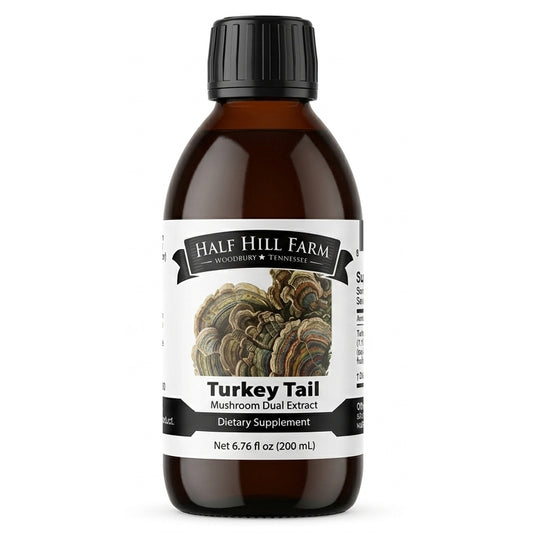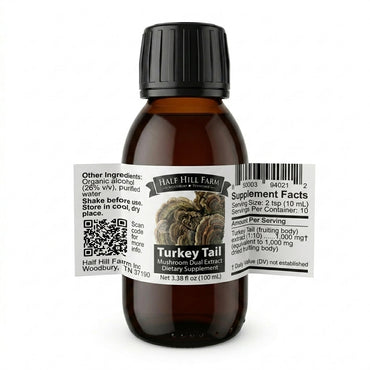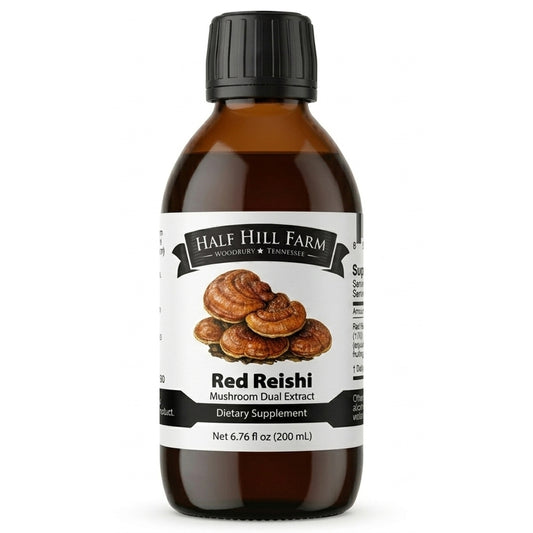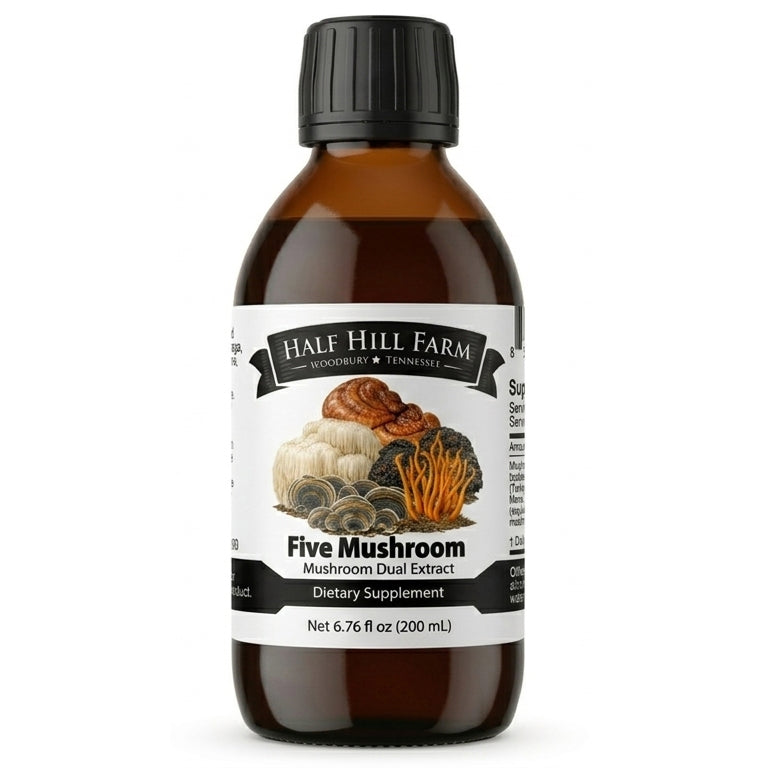


Humans and pets lack sufficient levels of critical enzyme chitinase to fully digest mature woody mushrooms or ground up powders made with them. Traditional forms of use are in hot teas that remove the mushroom fiber for the exact same reason - chitin.
What is Chitin?
Chitin (pronounced KITE-in) is a large, structural polysaccharide made from chains of modified glucose. In the animal kingdom, it is what gives the shells of lobsters, crabs, and shrimp their incredible "armored" strength. In the fungal kingdom, chitin serves as the "skeleton" of the mature mushroom, forming the rigid cell walls that allow them to hold their shape and survive the elements.
While many plant cell walls are made of digestible cellulose, fungal walls are significantly tougher. To the human digestive tract, a piece of raw Turkey Tail, Red Reishi, or Chaga is as indigestible as a piece of a crab shell that cannot be dissolved by stomach acid fast enough.
Chitin As A Biological Signal of Mature Compounds
While chitin is present in the cell walls of mycelium to provide basic structure, its density and cross-linking change dramatically during the "fruiting body" phase. Mycelium has a lower concentration of structural chitin compared to a woody mushroom. This is why mycelial cell walls are thinner and more flexible.
A fully mature mushroom supports its own weight against gravity, withstands wind, and protects its reproductive spores by undergoing a "hardening" process. It does this by significantly increasing chitin production and cross-linking the chitin with beta-glucans, creating a rigid, woody, or leathery matrix.

The Rise of Chitin From Mycelium to Maturity
The development of chitin is a primary driver of the mushroom’s chemical transition from a simple vegetative state (mycelium) into a complex compound powerhouse (fruiting body). Chitin levels can rise by 20–30% as a mushroom transitions from a mycelium to a fully mature mushroom.
The metabolic "engine" of a mushroom also changes when it starts building a chitin-rich fruiting body. This increase of chitin houses specific secondary metabolites that aren't present in high amounts in the mycelium.
Why Liquid Extracts over Mycelium Powder
Mycelium powders may have less chitin, but they also have less beta-glucans and other mature compound because they are harvested before maturity.
The bitter triterpenes (ganoderic acids) in Reishi, for example, are synthesized in massive quantities only as the "woody" mature fruiting body develops. These compounds are hydrophobic and are often physically embedded within the chitin-glucan matrix to protect the mushroom from rot and insects.
To unlock eons of biological resilience of fully mature mushrooms, you must break through the chitinous armor protecting it at its peak potency with a dual hot water and alcohol extraction.
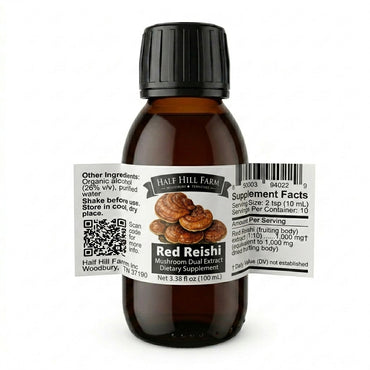
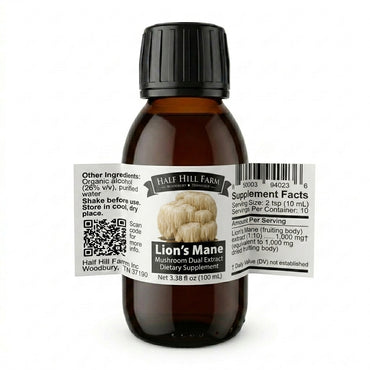
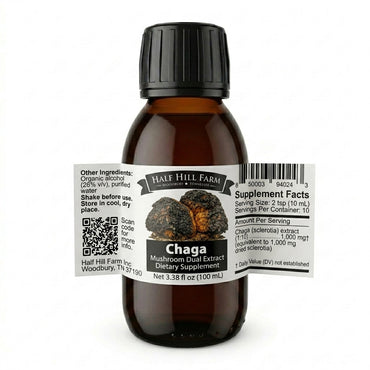
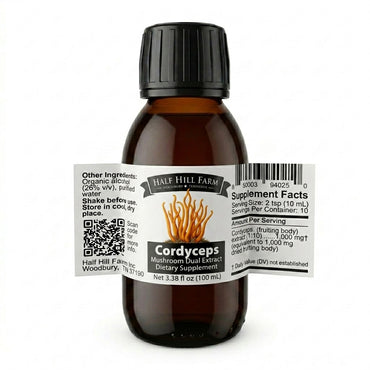
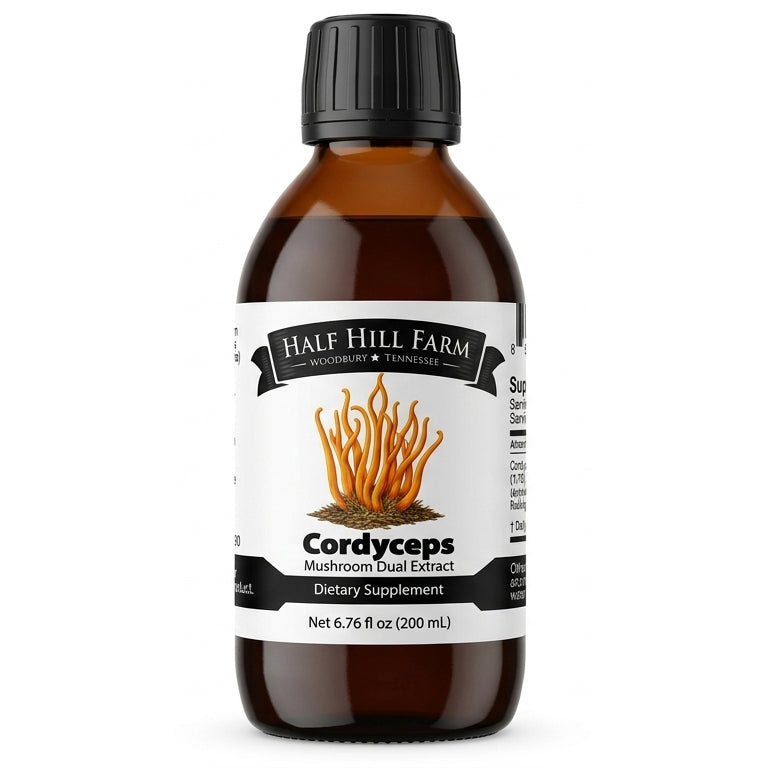
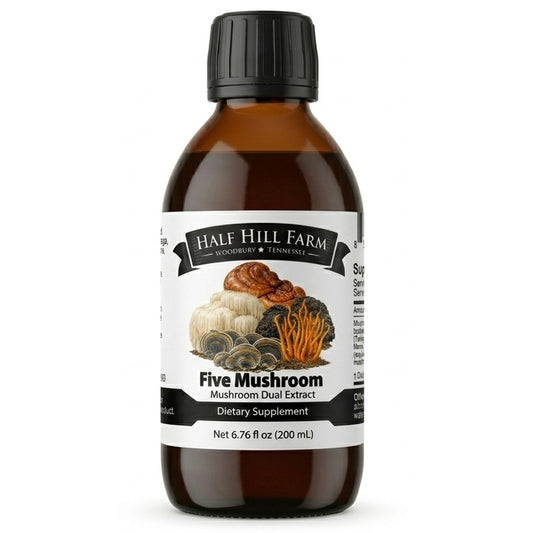
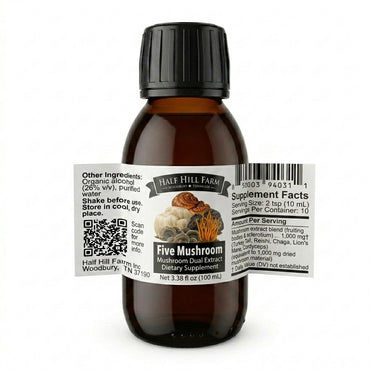
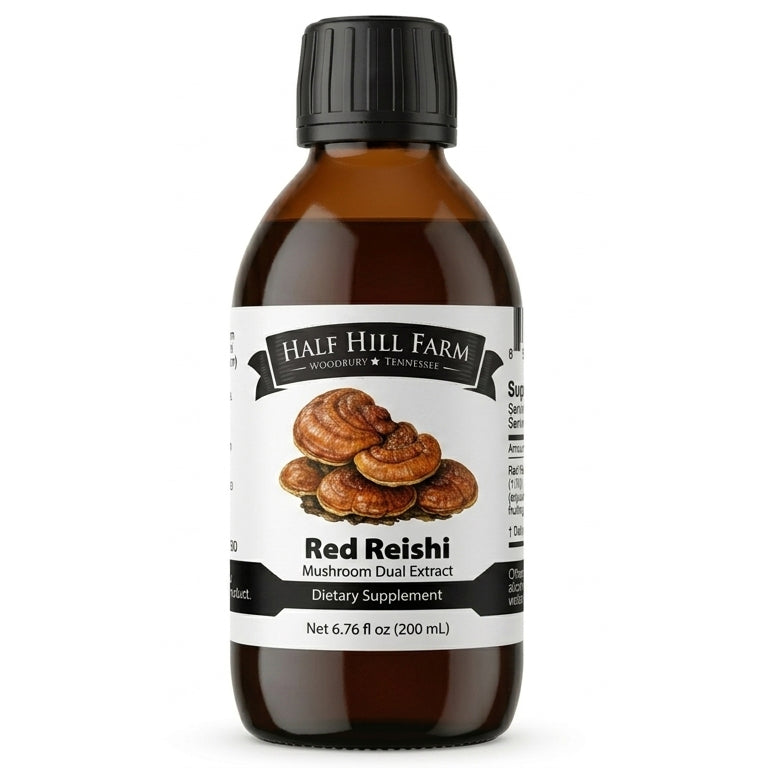
Half Hill Farm mushroom dual extracts uses a dual extraction process only on fully mature mushrooms to unlock the complex chemistry that the mushroom only creates once it has reached full maturity.
Learn More: The Life Cycle of Mushrooms: Why Maturity Matters