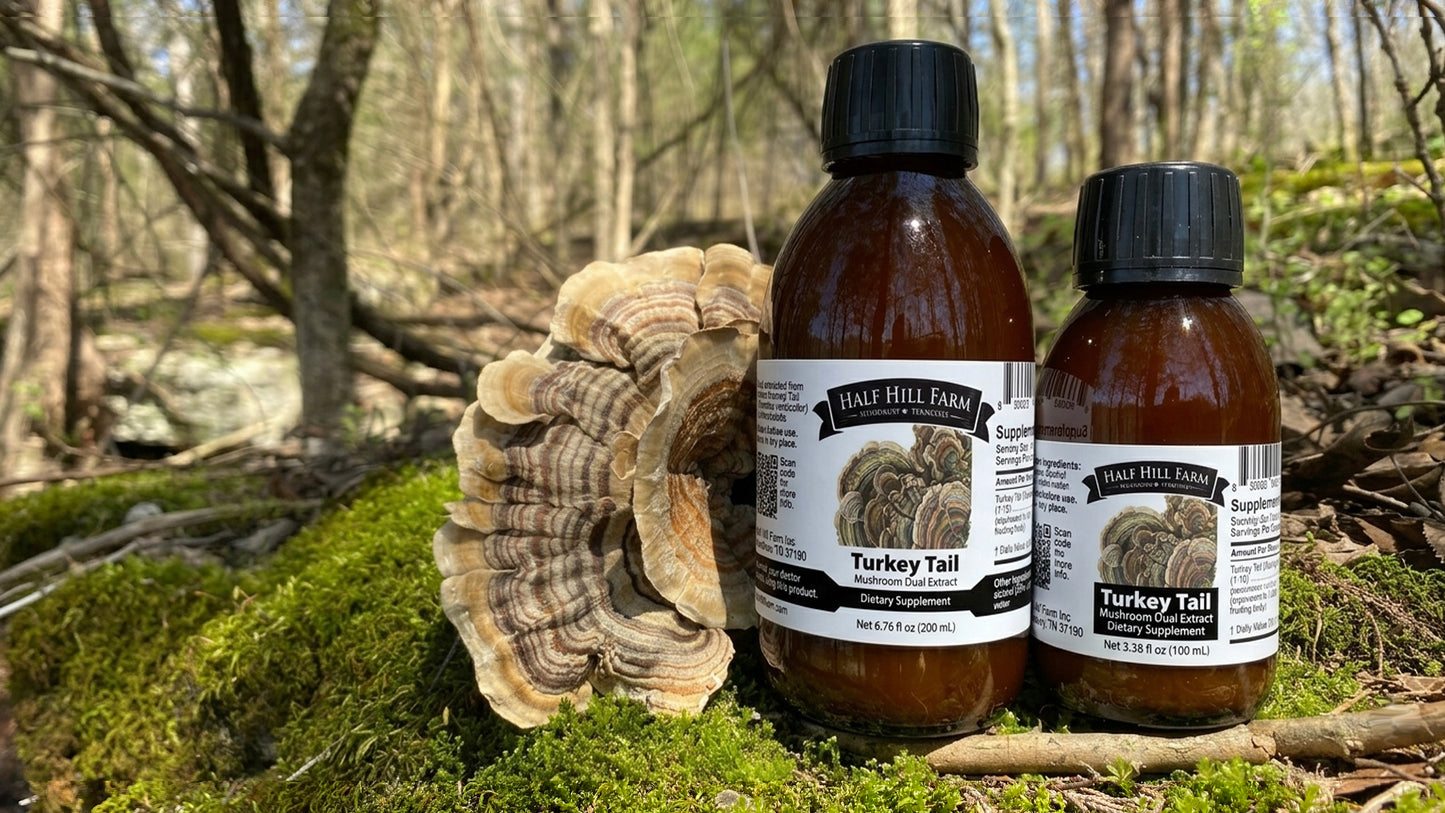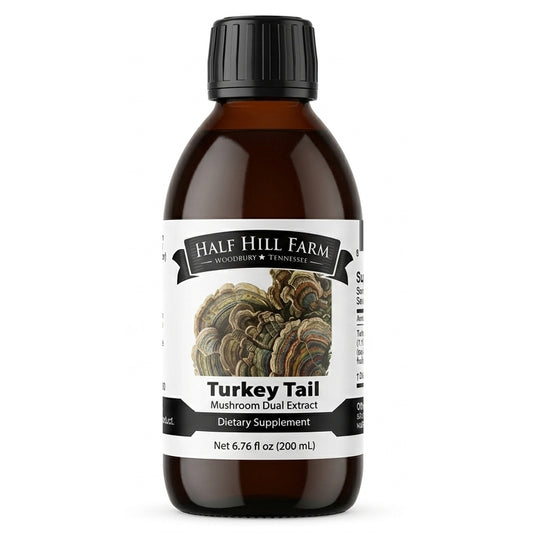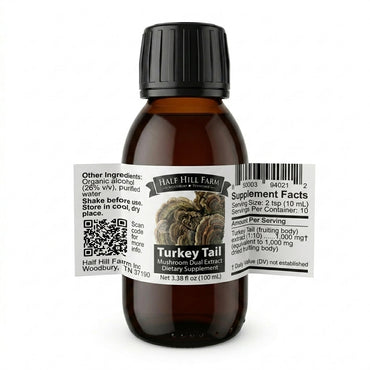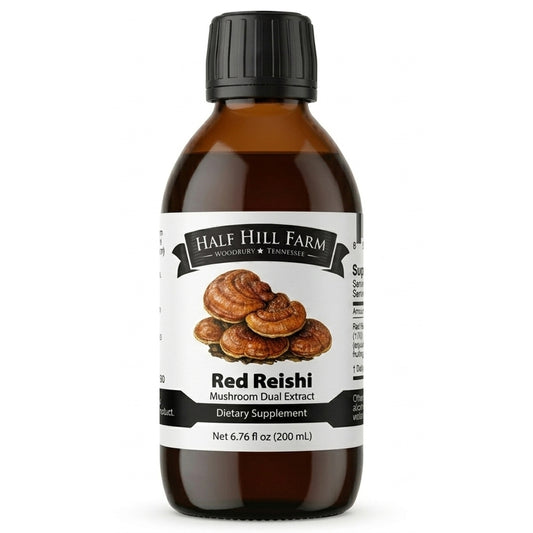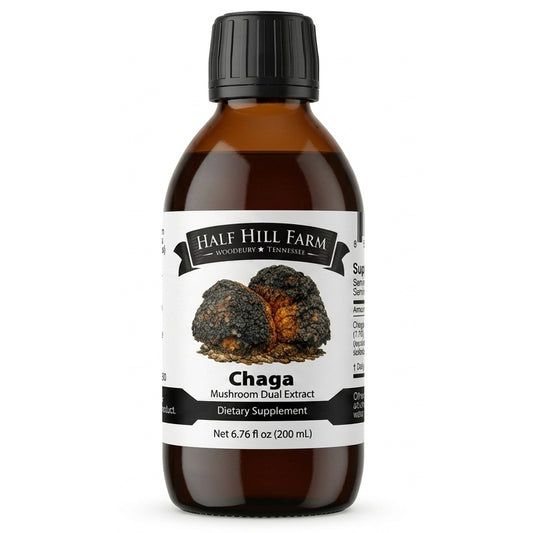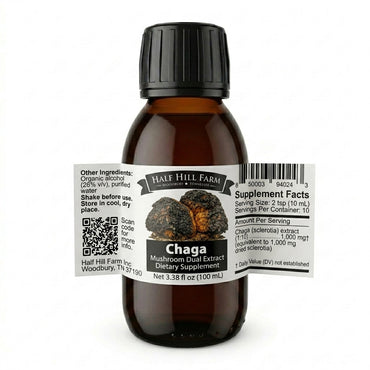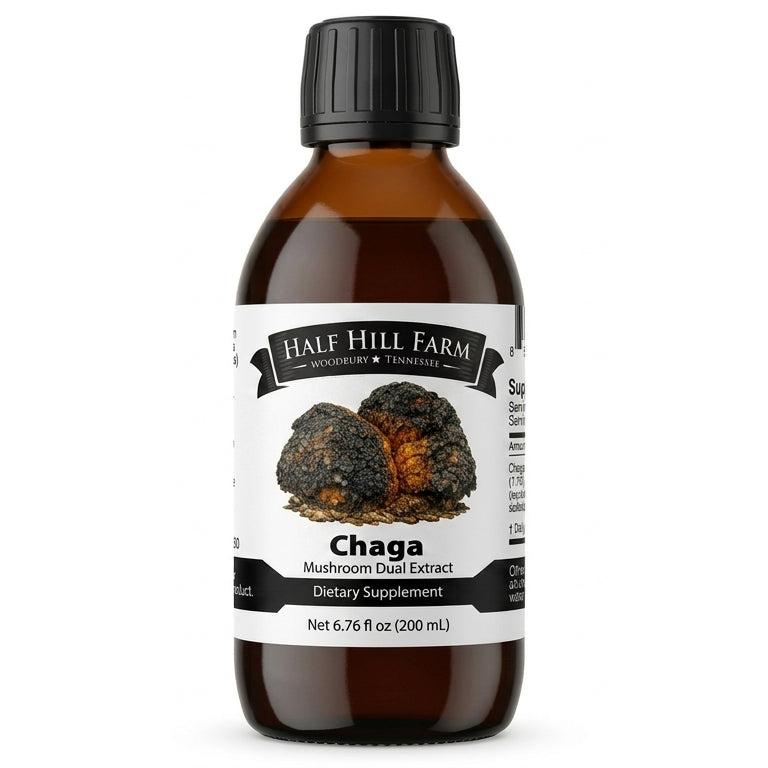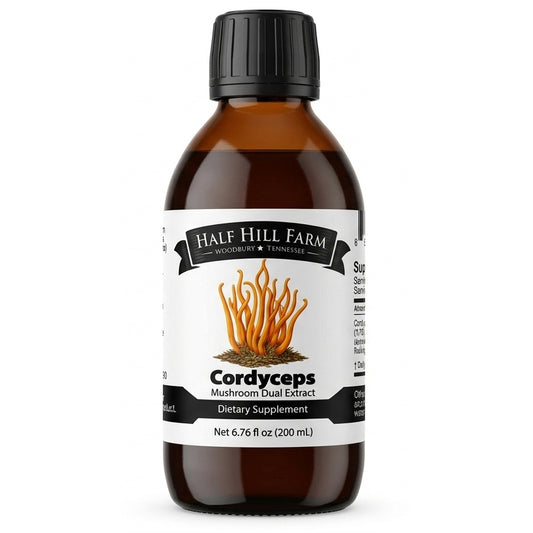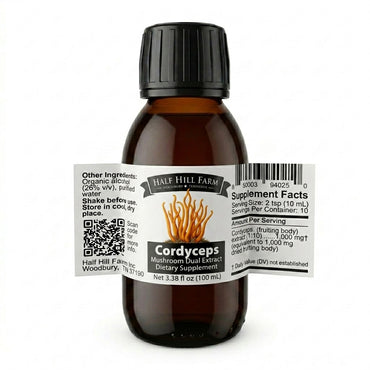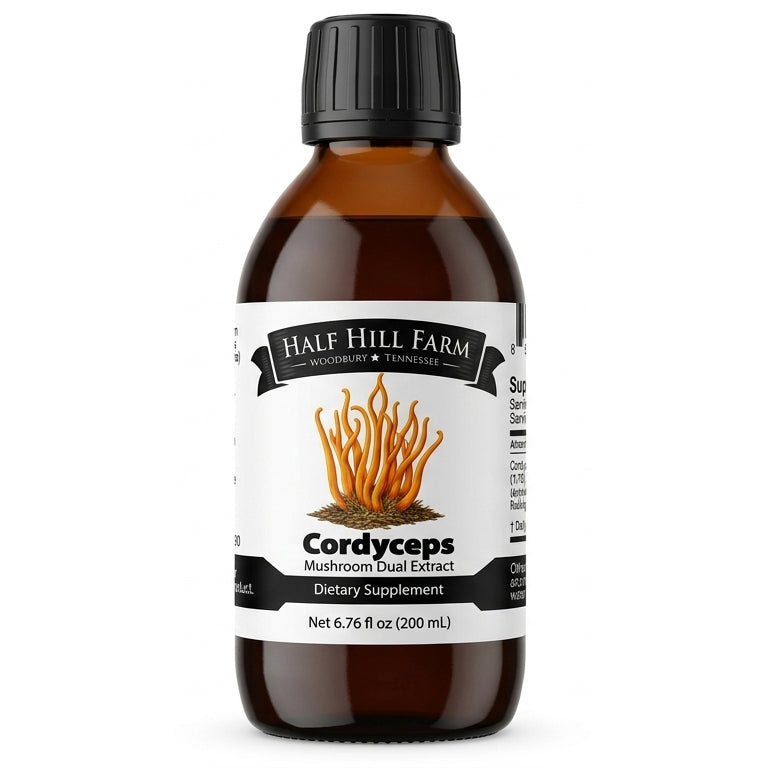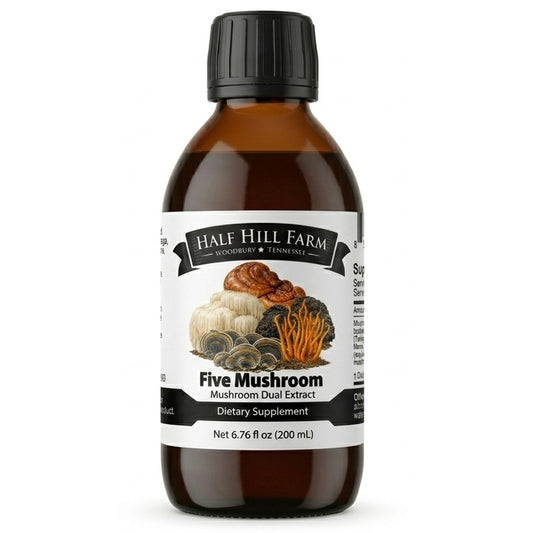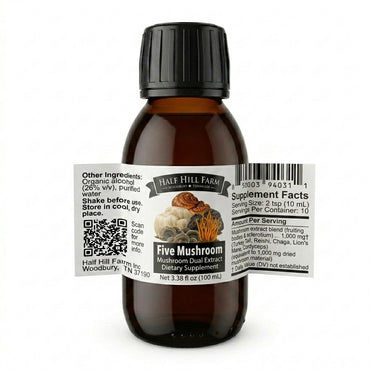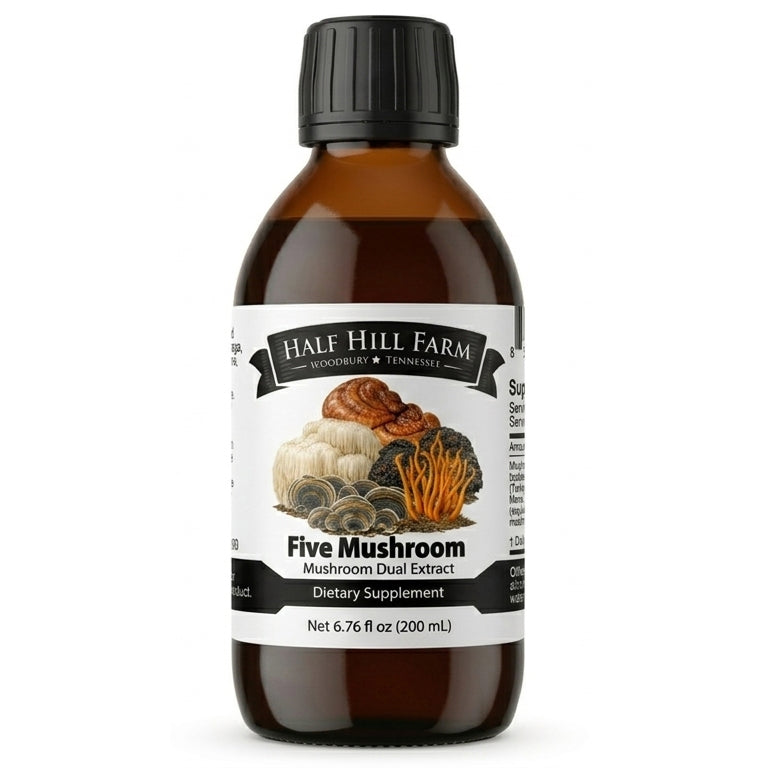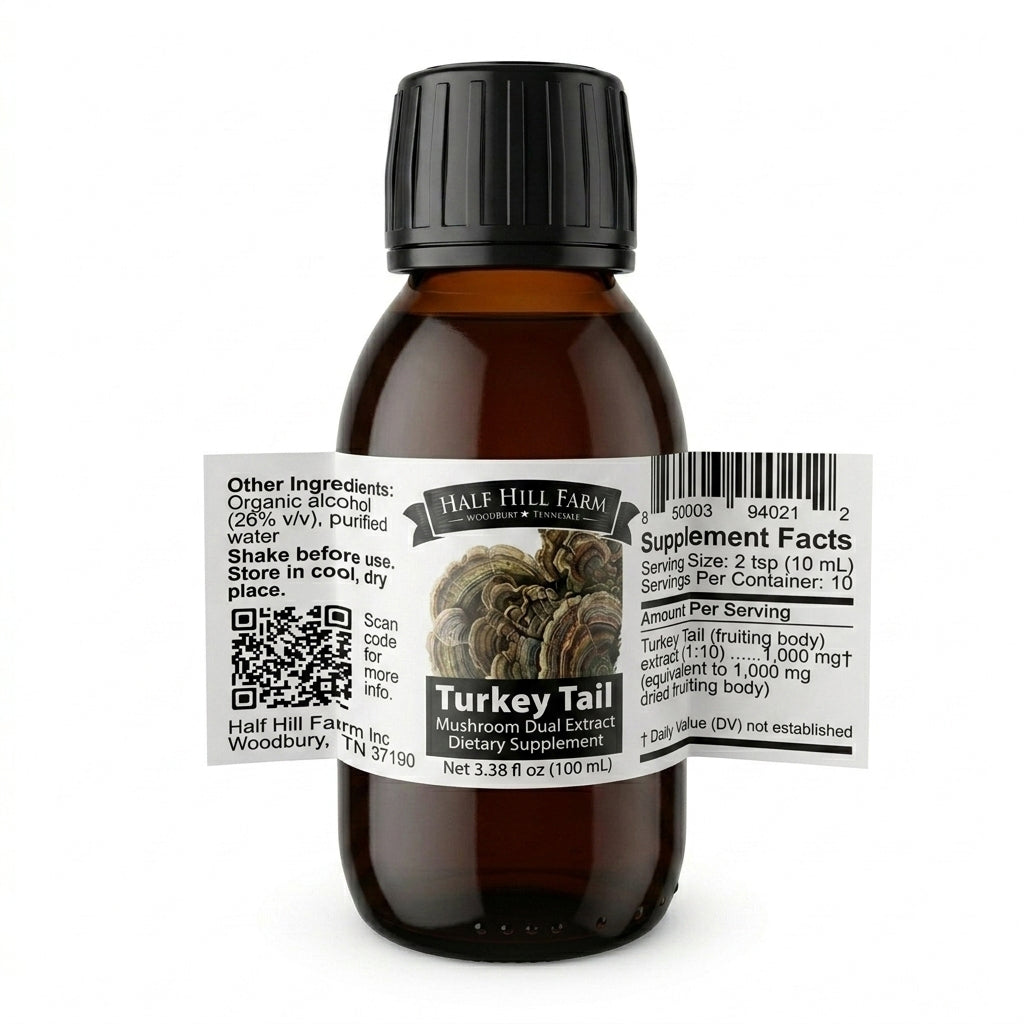
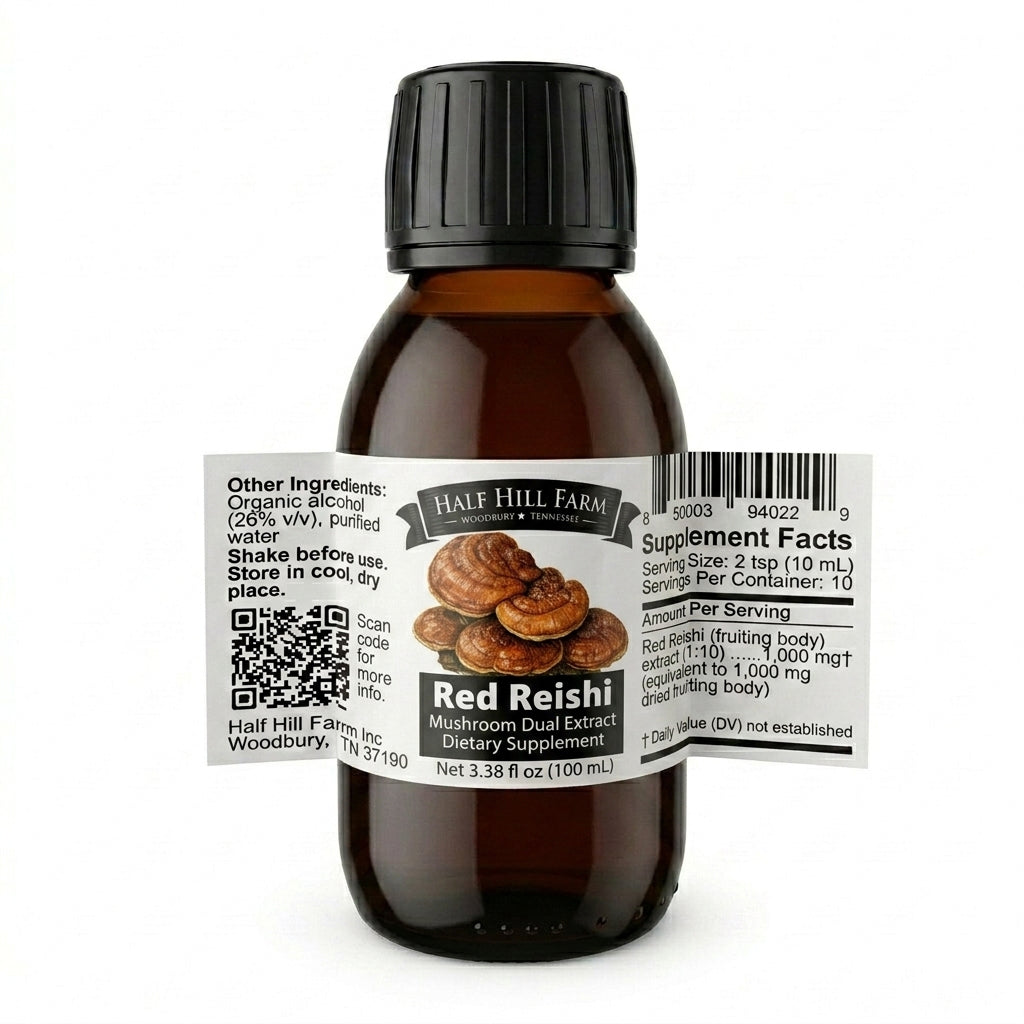
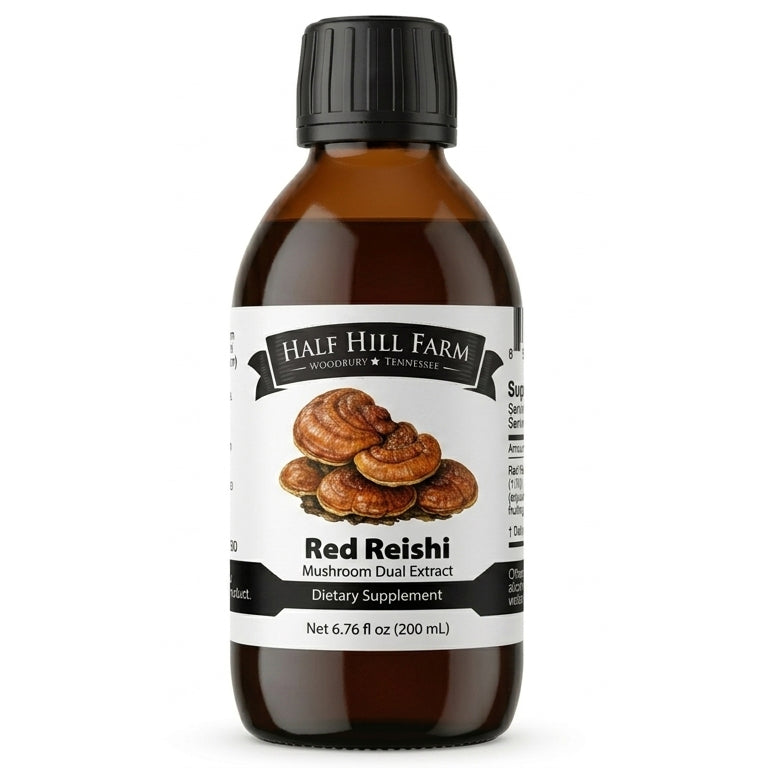


When exploring the world of functional fungi, consumers generally have two choices: dietary supplements that use whole mature mushrooms (the fruiting body) and dietary supplements that use mycelium (the fungal root-like network).
While both products provide different and unique benefits when made with integrity, bad actors are exploiting uneducated consumers by hiding behind the word "mycelium." Here's how to tell if your mycelium-based supplement is one of them.
Two Ways to Grow Mycelium (Consumer Value vs. Corporate Profit)
When a mushroom supplement brand decides to create a mycelium-based supplement, they have to choose how to cultivate it. This single decision dictates whether your supplement is packed with biological value or most of the value was extracted for shareholders.
-
The Good Actors (Liquid Fermentation): Like companies that use fully nature mushrooms, mycelium-based supplement makers focused on consumer value invest in preserving the mycelium’s identity, purity, and strength. They grow the mycelium in large vats of nutrient-dense liquid. Once mature, the pure fungal mass is strained out, resulting in a 100% bioactive, highly potent product completely devoid of fillers.
- The Bad Actors (Mycelium on Grain - MOG): Companies focused on profit extraction take a shortcut. They inoculate cheap, sterilized grains (like oats or brown rice) with fungal spores. The mycelium grows over the grain, but it cannot be separated from it. The entire mass is dried, pulverized, and put into a capsule.
When a brand uses the cheaper Mycelium on Grain (MOG) method, they rarely disclose it clearly. They simply print "mushroom mycelium" on the label. Some will go as far as present a fully mature mushroom on the label when not a single fruiting body was used to make the product. Some brands who trust overseas sources of MOG can also fall victim to bad faith suppliers who take their own shortcuts with fillers or cheaper mushroom species all together.
As a result, you pay premium prices expecting functional mushrooms, but you receive a capsule that is often 30% to 60% residual grain starch and grow medium with benefits more aligned with consuming the world's most expensive serving of tempeh.
Ready to start your mushroom protocol?
Drop your email below and we'll instantly send you 10% off your first Dual Extract order so you can get started.
Five Ways To Tell If Your Mycelium-based Supplement Is Hiding Shortcuts
Because the FDA does not require brands to explicitly differentiate between pure liquid-fermented mycelium and MOG on the front of the bottle, nor do they require imagery to match the identity of the main ingredient, unfortunately the burden of proof falls entirely on you.
If you want the unique benefits of pure mycelium, you must be willing to do the work of discerning who is actually serving you. Grab your current supplement bottle and look for these clues:
-
Check the "Other Ingredients": If you see oats, brown rice, or "myceliated grain" listed anywhere in the fine print, the product is MOG. You are buying heavily diluted fungal material.
-
Look for Starch (Alpha-Glucans): Do not trust stated polysaccharide levels. These can include alpha-glucans from MOG instead of beta-glucans from mushrooms. If the company provides a lab analysis, look at the alpha-glucan content. Fungi do not produce high levels of alpha-glucans; myceliated grains do. High alpha-glucan numbers are a dead giveaway for grain fillers.
-
Check the Label Image: Real mycelium products that go to lengths of doing it right do not use images of mushrooms on their labels that are not used in the product, and they often proudly state they are using liquid fermented mycelium.
-
Check who is the manufacturer: If the product is actually made by the brand, it will have the FDA required "Manufactured by" in front of the brand name. If the labels states "Marketed by," then the brand is not a supplement maker. They are a marketing company who is white-labeling and likely wouldn't know the difference between MOG and liquid fermented mycelium.
- Force the Question: The most definitive way to find out what is hiding behind your supplement's label is to contact the manufacturer. Ask them directly: "Is your product 100% pure mycelium grown via submerged liquid fermentation, or is it Mycelium on Grain (MOG)?"
The easier way to avoid bad actors in mushroom supplements
Doing supply-chain homework on your daily wellness routine can be exhausting. If interrogating your supplement brand to find out whether you are consuming pure fungi or expensive oats feels like a bridge too far, there is a simple way to bypass the mycelium ambiguity entirely.
You can simply take the other legitimate fork in the road.
By choosing supplements made exclusively from fully mature mushrooms (fruiting bodies) direct from the farm, you completely eliminate the mycelium loophole. Makers who commit to this path bypass the cheap cultivation shortcuts, suppliers who hide other ingredients, and bad faith actors entirely. When a product is formulated through the rigorous, time-tested dual-extraction of whole, mature mushrooms, there is no grain to hide, and the identity, purity, and strength is transparently obvious.
It is the easiest way to ensure that the biological value preserved in the bottle matches the financial value you invest in your health—no detective work required.
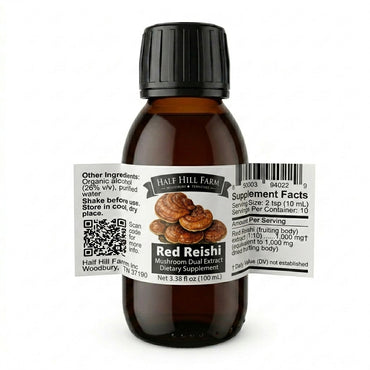
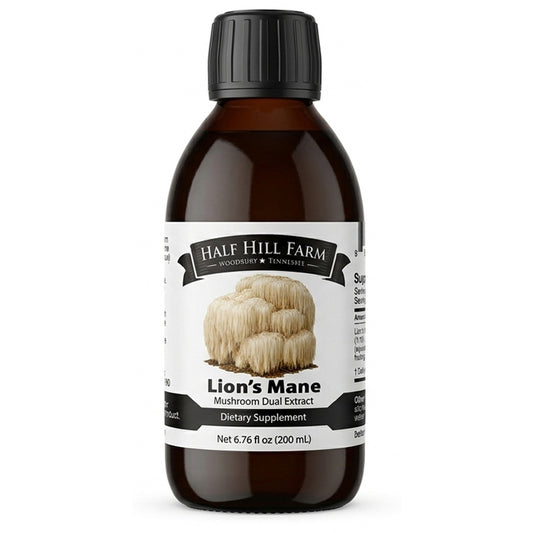
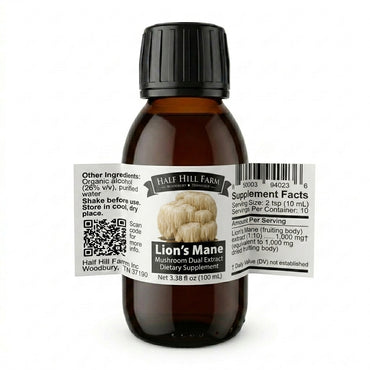
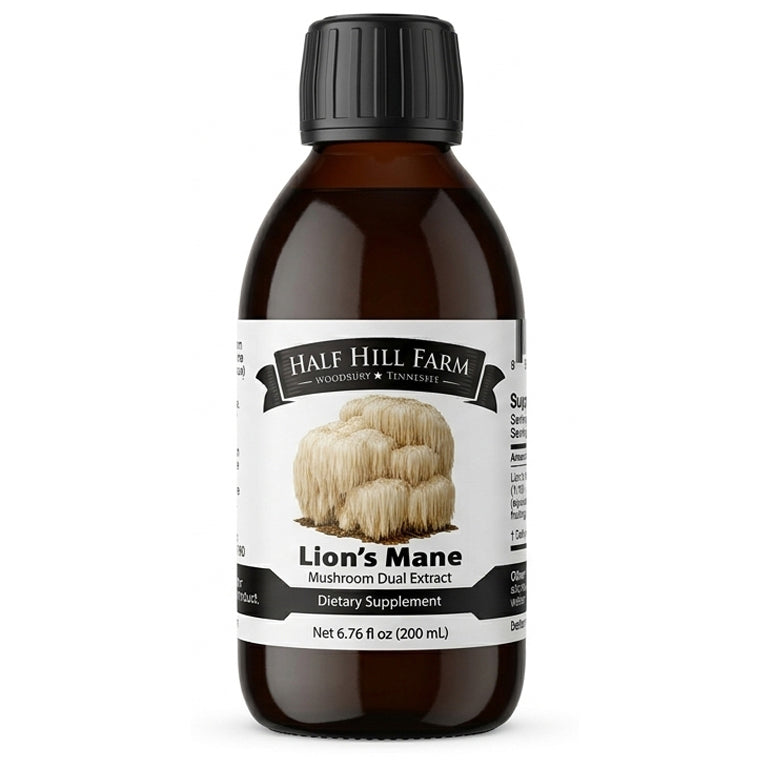
Shop Half Hill Farm's functional mushroom dual extracts which uses only fully mature fruiting bodies with a traditional dual extraction process with the fully traceable farm-to-bottle integrity you expect.
- Turkey Tail Mushroom Dual Extract
- Lion’s Mane Mushroom Dual Extract
- Chaga Mushroom Dual Extract
- Red Reishi Mushroom Dual Extract
- Cordyceps Mushroom Dual Extract
- Five Mushroom Dual Extract
Learn more:
- Which Mushroom Supplement Should I Take? A Buyer’s Guide
- The Dirty Secret Hidden in Some Mushroom Supplement Capsules
- Mycelium vs. Fruiting Body: What Do Myceliated Grain Capsules Have In Common with Tempeh?
----------
Christian Grantham is a founder of Half Hill Farm®, maker of functional mushroom dual extracts since 2012.