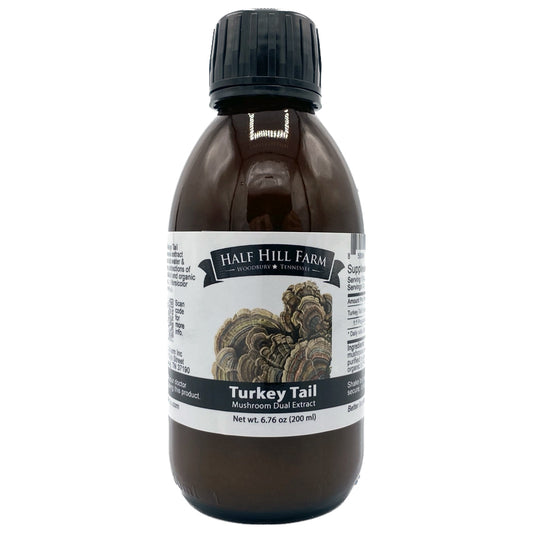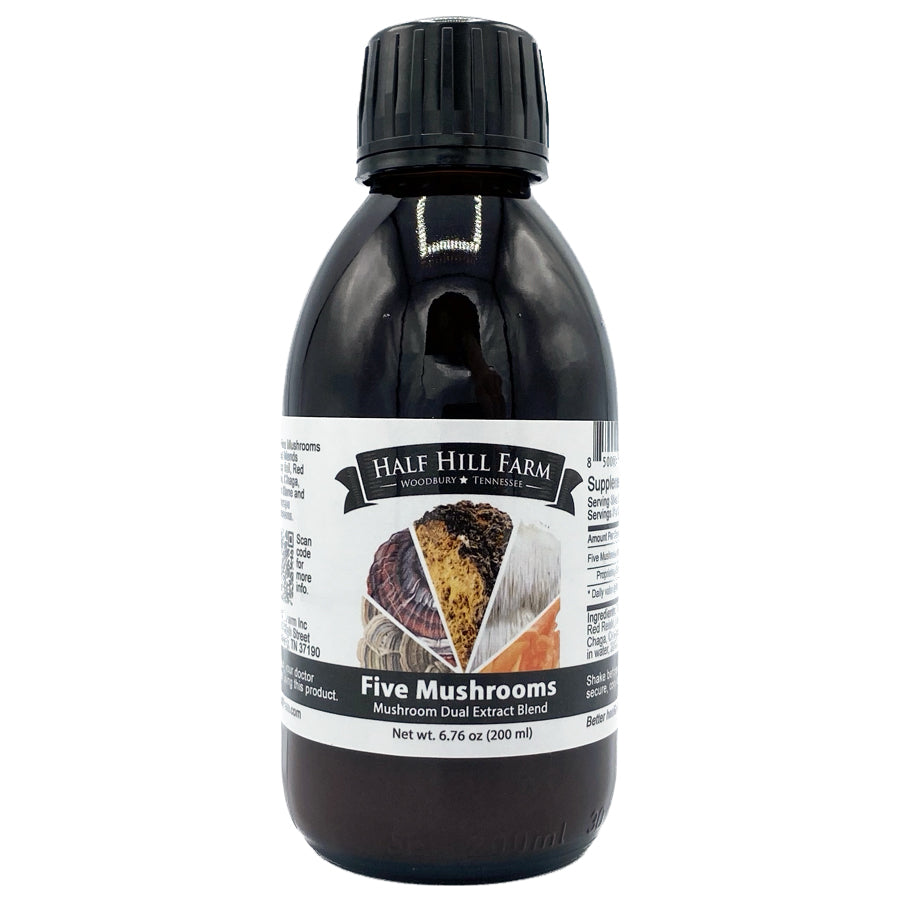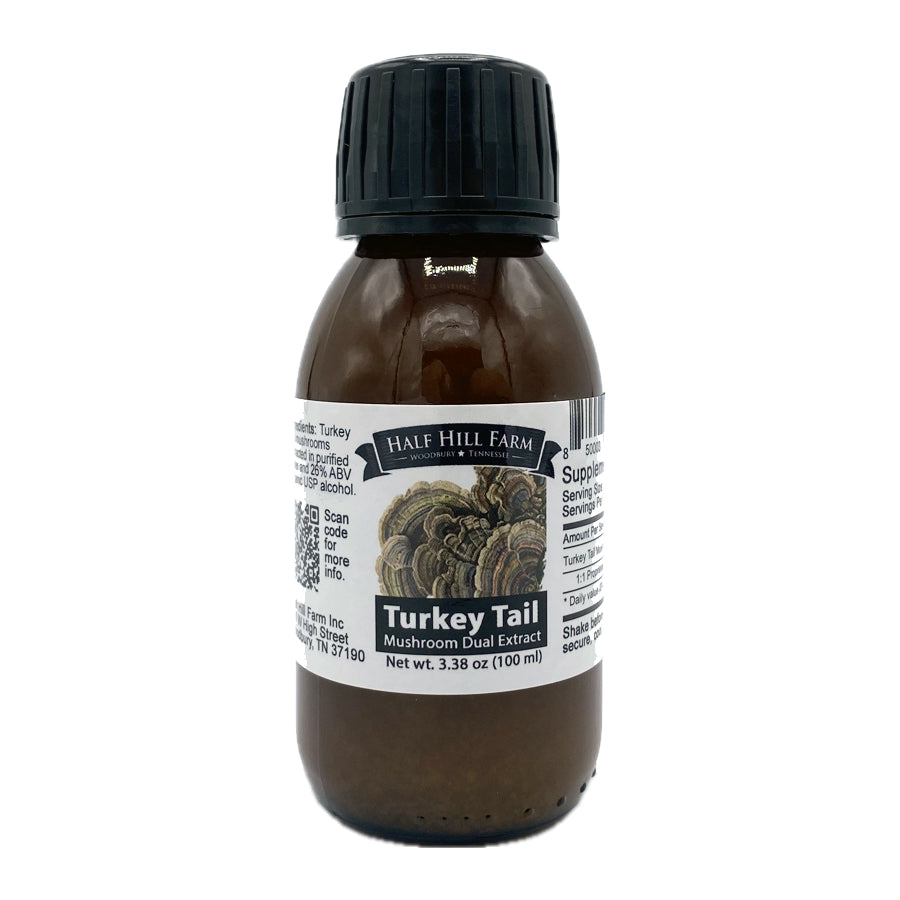
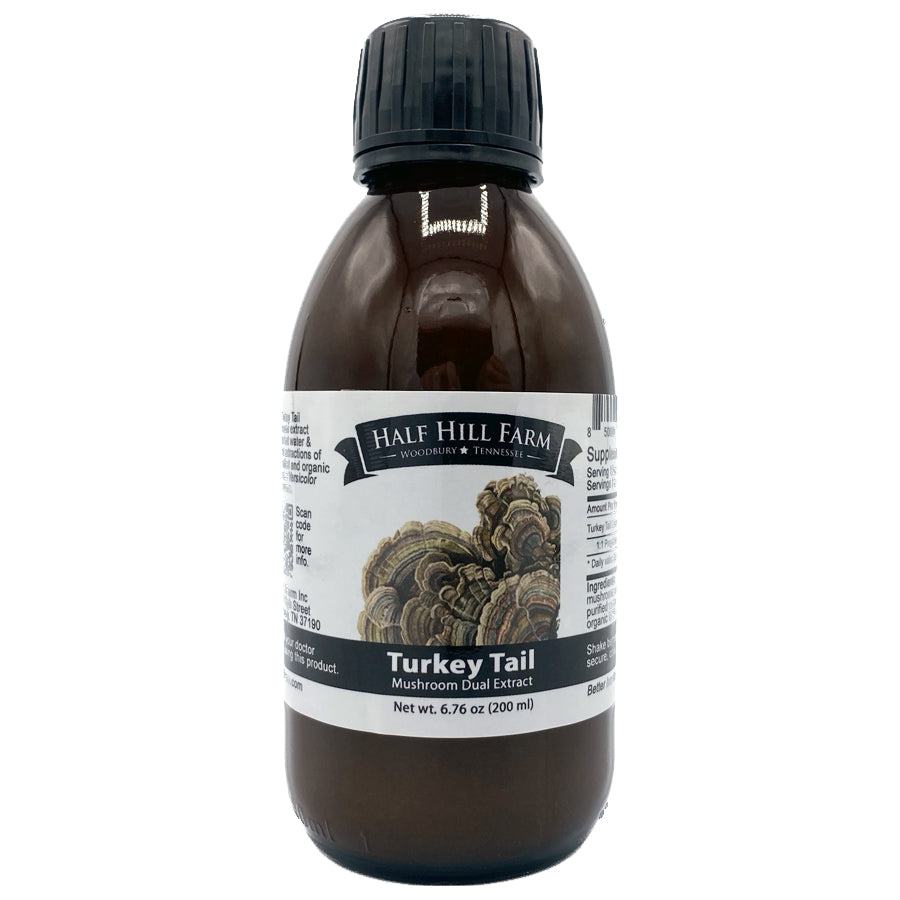


Turkey Tail (Trametes versicolor) is one of the most researched medicinal mushrooms used in veterinary medicine. In recent years it has gained attention for its potential to support immune function and quality of life in dogs, particularly in oncology settings.
Veterinary Study Explores Survival in Dogs with Hemangiosarcoma
A clinical trial conducted by researchers at the University of Pennsylvania School of Veterinary Medicine evaluated dogs diagnosed with hemangiosarcoma, an aggressive cancer common in dogs. In the study, dogs received varying doses of a polysaccharopeptide extract derived from Turkey Tail mushrooms. Remarkably, dogs receiving the highest dose of Turkey Tail mushrooms showed median survival times exceeding one year, which was longer than what is typically reported for dogs receiving conventional care alone.
Why This Matters
The researchers noted that Turkey Tail’s polysaccharides appear to interact with immune pathways that help the body recognize and respond to abnormal cells. While the mushroom is not considered a cure or standalone treatment for cancer, the findings suggest it may serve as a supportive nutritional tool that works alongside conventional veterinary care to help maintain immune strength and overall resilience.
Here’s why Turkey Tail mushrooms have become a mushroom many pet owners are interested in…
KEY BENEFITS:
• Supports healthy immune system activity in dogs
• Contains polysaccharides studied for immune modulation
• May help maintain resilience and vitality during health challenges
Source for in-depth reading:
• Single agent polysaccharopeptide delays metastases and improves survival in naturally occurring hemangiosarcoma