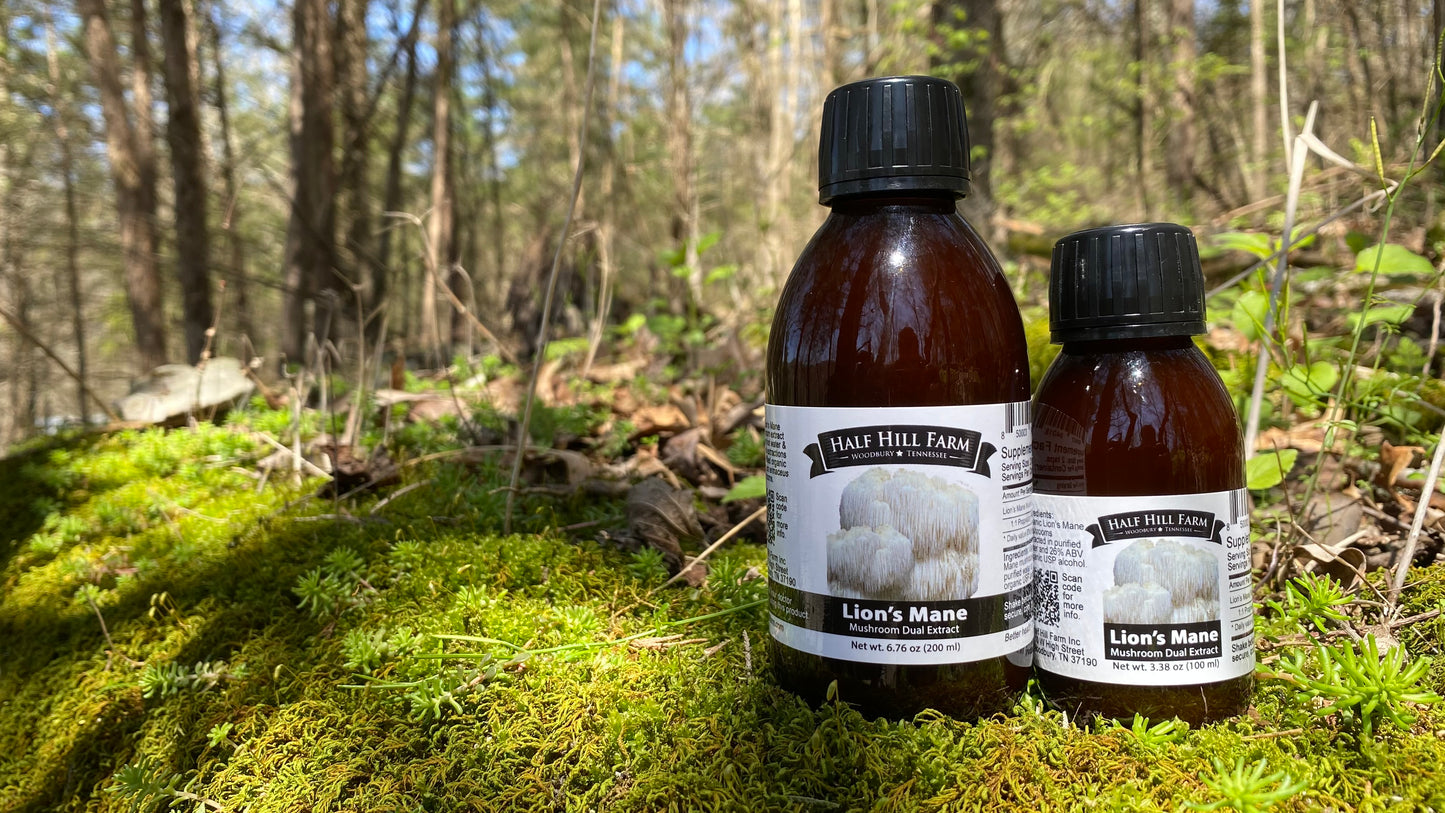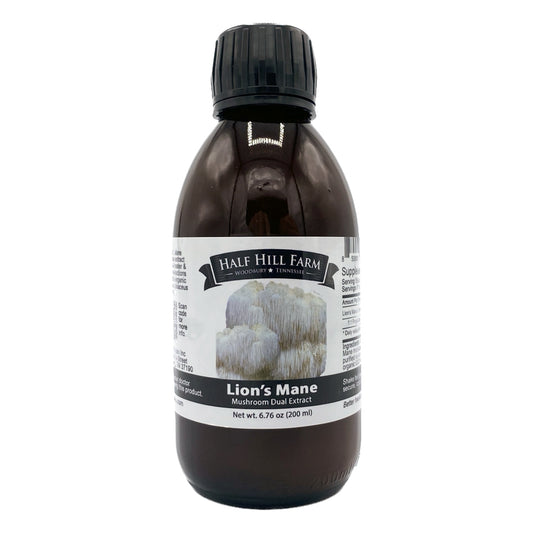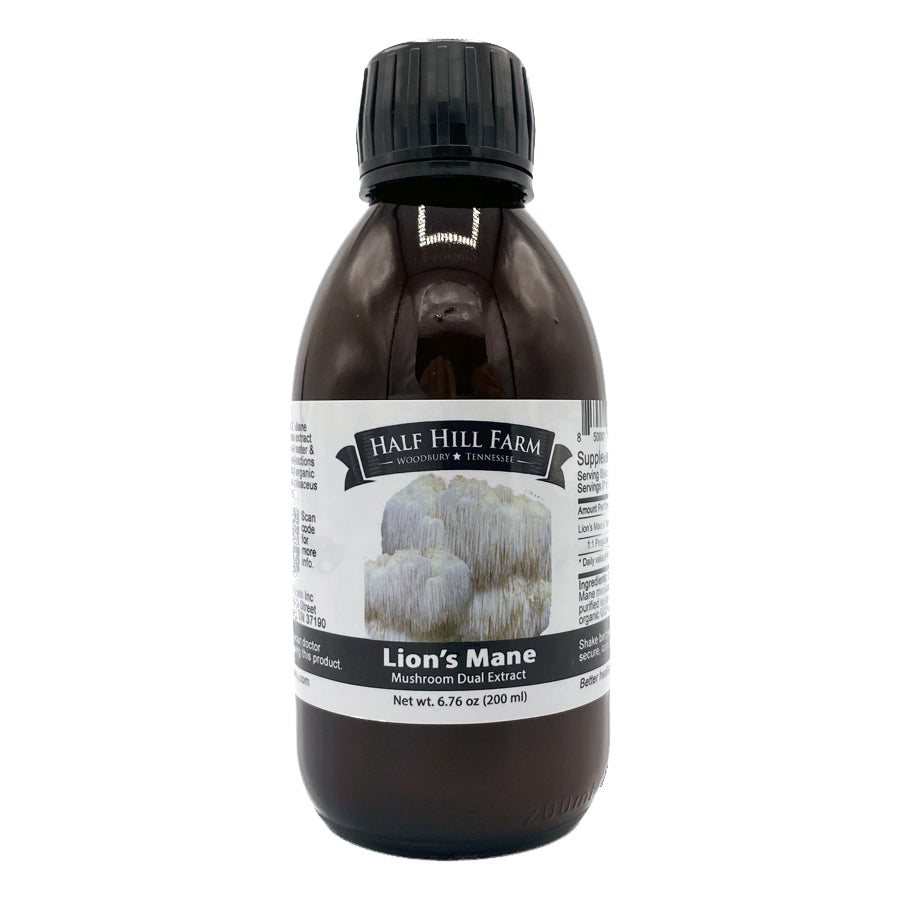


Lion’s Mane mushrooms (Hericium erinaceus) stand out among medicinal mushrooms for its rich content of bioactive compounds that interact with the nervous system — especially those linked to nerve growth and cellular resilience.
Emerging Research on NGF & Neurotrophic Mechanisms
Recent scientific reviews and mechanistic studies highlight that Lion’s Mane’s bioactive compounds — including hericenones and erinacines — can stimulate the synthesis of nerve growth factor (NGF) and brain-derived neurotrophic factor (BDNF), which are critical for neuronal growth, survival, and synaptic plasticity. These neurotrophic factors support neural repair, branching of neurons, and overall brain maintenance at the cellular level, making Lion’s Mane a compelling subject for neuroprotective research.
A 2025 expert article exploring erinacines points to their specific role in mediating neurobiological effects — suggesting that these compounds may help regulate neuronal function and support resilience against oxidative stress and inflammation, both of which are major drivers of age-related cognitive decline.
Why This Matters
While large, long-term human trials are still limited, the mechanistic evidence — especially around NGF/BDNF stimulation and neuroprotection — strengthens the scientific rationale for Lion’s Mane’s neurocentric benefits beyond cognitive test results alone. These pathways are foundational to brain health, offering a deeper look at how the mushroom’s compounds interact with neural biology, not just whether effects show up in limited behavioral trials.
Here’s how those mechanisms may translate into everyday wellness…
KEY BENEFITS:
• Supports synthesis of nerve growth factors (NGF & BDNF) linked to neuron health
• May promote neuroprotection and resilience against oxidative stress
• Encourages mechanisms associated with neuronal survival and synaptic function
Source for in-depth reading:
• Lion’s Mane Mushroom (Hericium erinaceus): A Neuroprotective Fungus with Antioxidant, Anti-Inflammatory, and Antimicrobial Potential—A Narrative Review