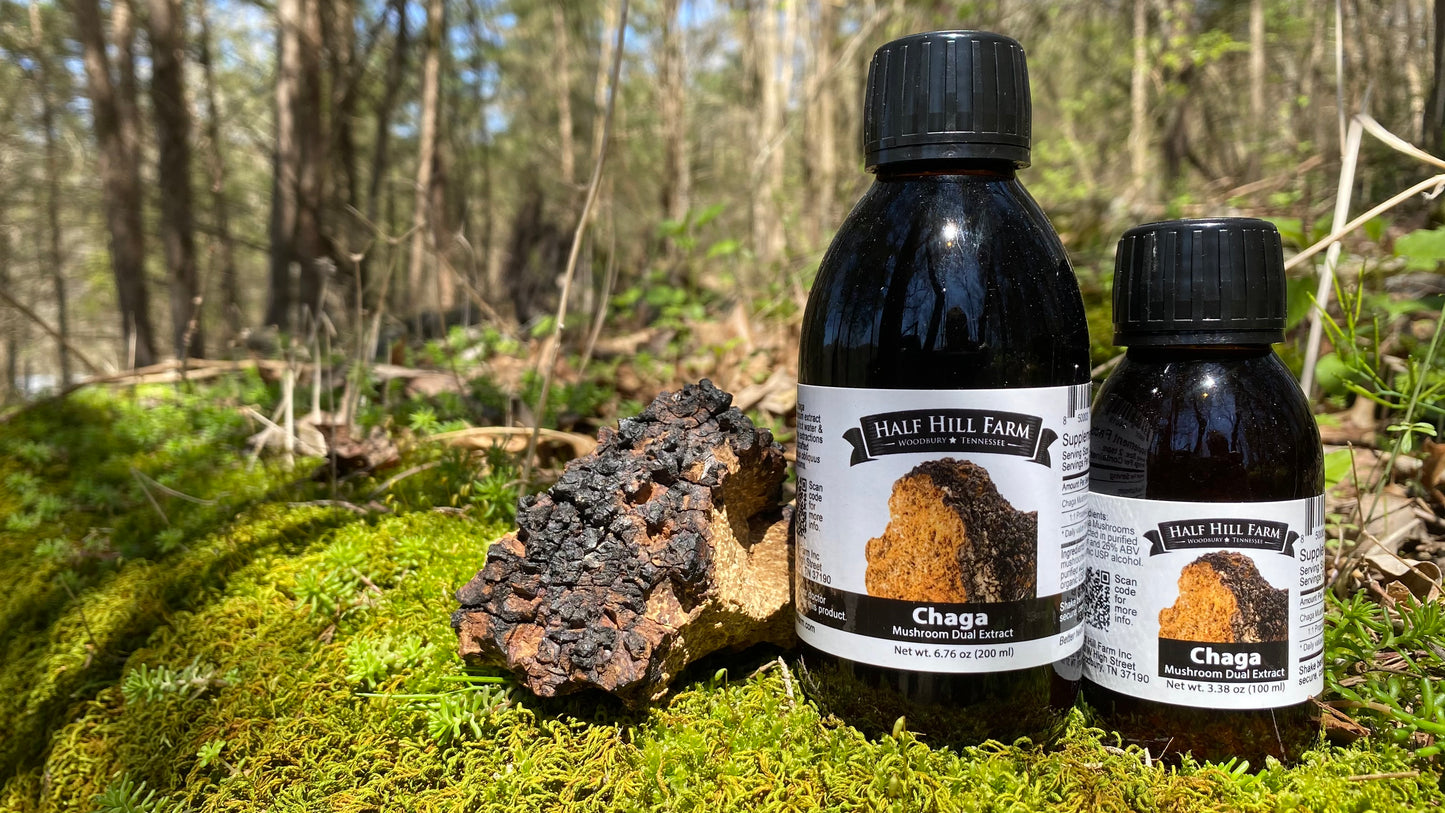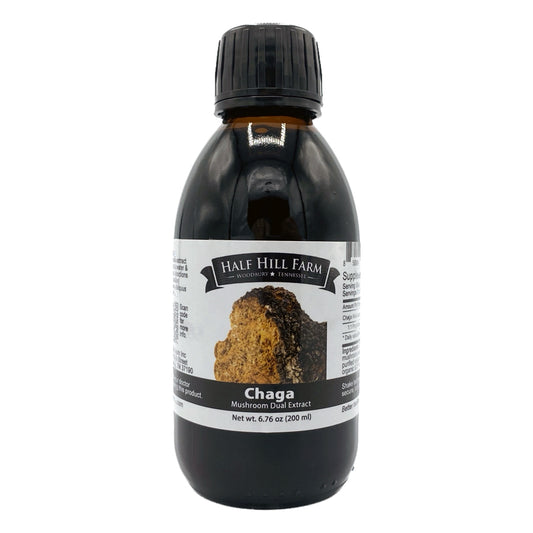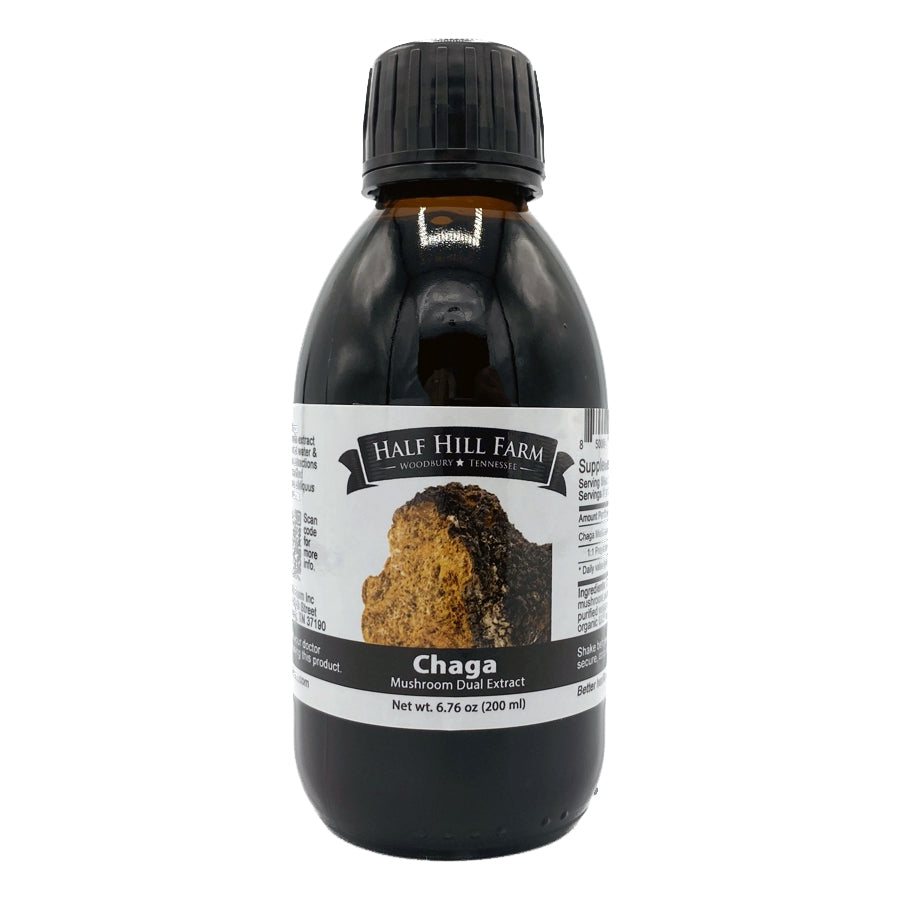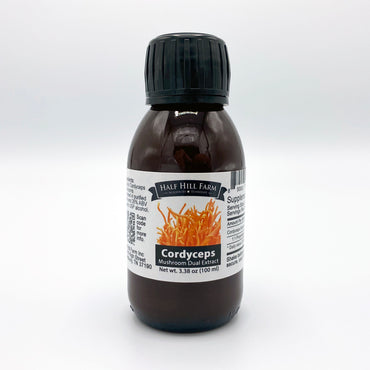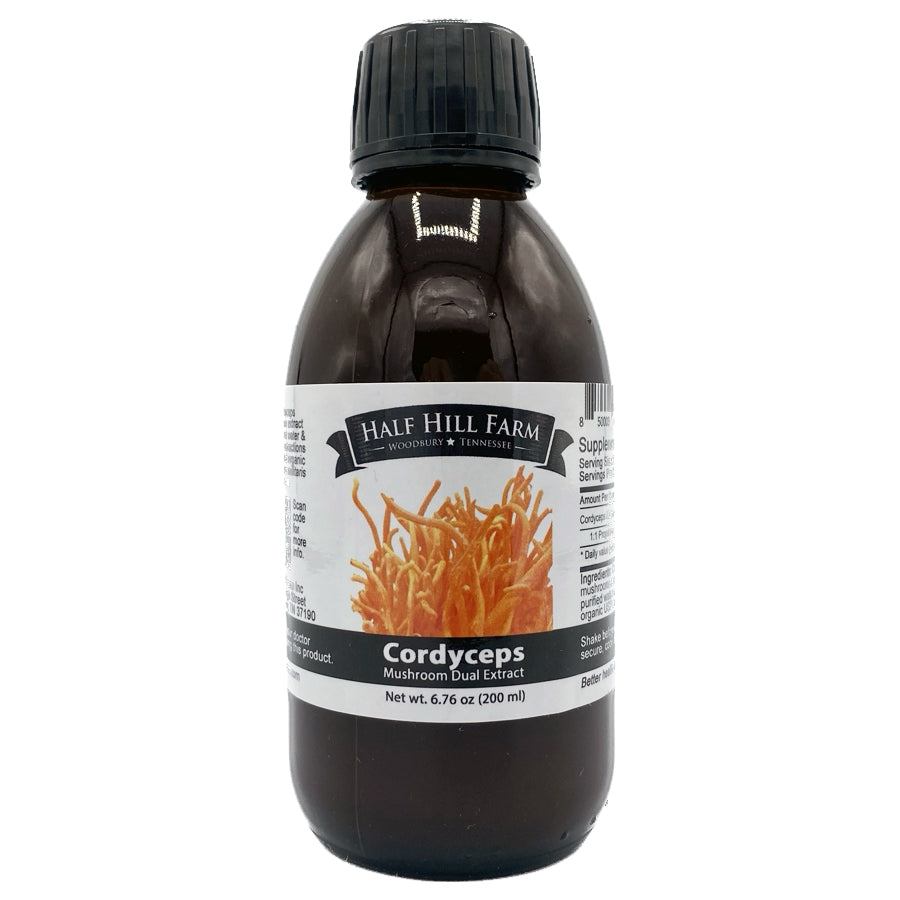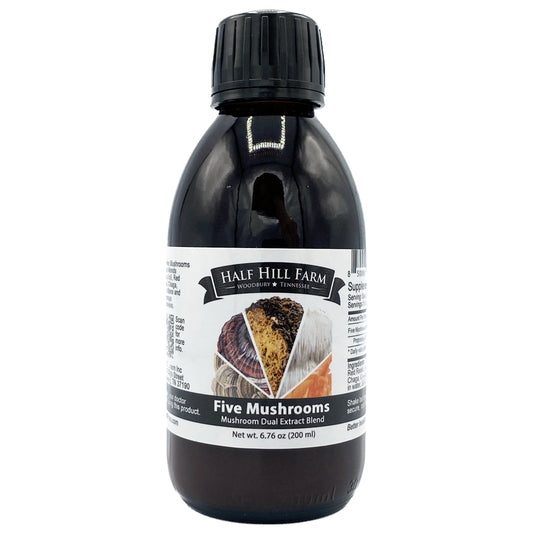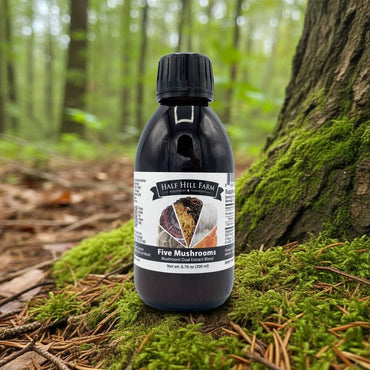


Chaga Mushroom Taxonomic Hierarchy
- Kingdom: Fungi
- Division: Basidiomycota
- Class: Agaricomycetes
- Order: Hymenochaetales
- Family: Hymenochaetaceae
- Genus: Inonotus
- Species: I. obliquus (Ach. ex Pers.) Pilát
Etymology and Historical Context: "Chaga" is derived from the indigenous Khanty language of the Ural Mountains. First documented in the 12th century by Tsar Vladimir Monomakh, it has been a staple in Siberian and Baltic folk practices for centuries, traditionally used as a dark tea or coffee substitute.
Natural Habitat and Symbiosis: Chaga is a parasitic/saprotrophic fungus restricted to cold, circumboreal climates. It is found almost exclusively on Birch trees (Betula genus) in Russia, Canada, Alaska, and the northern United States. The harvested portion is a sclerotium—a hardened mass of fungal mycelium and wood fiber.
Environmental Growth Parameters
- Temperature: An extremophile; Chaga thrives in temperatures ranging from -40°C to 20°C.
- Humidity: Unlike the delicate caps of Reishi or Lion's Mane, Chaga’s sclerotium is an internal parasite protected by the host tree's bark. In its wild habitat, it requires a cool and damp climate (often 70%–85% ambient humidity), but its primary moisture source is the internal sap and hydration of the living Birch host.
- Light: While the fungus grows on the exterior of the tree, it does not require light for morphogenesis. However, it is subject to intense Ultraviolet (UV) radiation in the northern wilderness.
Lifecycle: The Sclerotium Standard
- Mycelium Phase: 21–30 days (in a lab).
- Mature Sclerotium: 3,650–5,475 days (10–15 years).
- The Difference: This is your most dramatic comparison. Lab-grown mycelium is harvested in one month. Wild-harvested Chaga has spent over 3,000 days interacting with the host Birch tree, sequestering Betulin and creating the antioxidant Melanin that lab-grown grain products entirely lack.
The Quality Benchmark: In nature, Chaga is exposed to high levels of solar UV radiation over its 10-20 year lifecycle. To protect its DNA and the host tree from this stress, the fungus synthesizes massive amounts of Melanin. This results in the "charcoal" black outer layer (the sclerotium) which is rich in antioxidants. Lab-grown mycelium is typically cultivated in total darkness or low-light indoor environments over a short 30-day cycle, meaning it never develops the thick, melanin-dense "sunscreen" layer that defines authentic wild Chaga.
Purity and Extraction Standards: A definitive Chaga extract must contain the compounds sequestered from the host bark.
- The Comparison: "Chaga Mycelium" grown in bags of grain lacks the host-derived triterpenes and the high-density melanin that gives wild Chaga its antioxidant profile.
- The Marker: The dark, near-black color of the extract signifies the presence of the outer sclerotium. Purity is verified by Alpha-Glucan levels <5%, confirming no grain-based mycelial fillers were used.
Ways to Consume Chaga Mushroom (Inonotus obliquus): Chaga is inedible and possesses a density similar to wood or stone. As a sclerotium, it is a highly compacted mass of mycelium and birch fiber that cannot be chewed or digested. Traditionally, Chaga was grated into a fine powder and steeped as a dark coffee substitute. However, modern science shows that the most significant compounds—betulinic acid and melanin chromogens—remain trapped in the raw powder. A dual-extraction is necessary to break this "biological vault," rendering the host-derived triterpenes and antioxidants soluble and ready for human utilization.
Technical Specifications of Chaga Mushrooms
- MycoBank ID: MB#181977
- Microscopy: Sclerotium contains dense melanin granules; spores rarely observed.
-
Genetic Marker: Identified via 18S rRNA and ITS gene sequencing.
Macrochemical: KOH Reaction: Context (inner orange flesh) turns instantly black. - Macrochemical: KOH Reaction: Context (inner orange flesh) turns instantly black.
- Chemotaxonomy: Inotodiol (Triterpene); Betulin (Birch-sequestered); Melanin-glycoside complex.
- Nutritional Mode: Biotrophic Parasite; Host-specific (Betula).
- Life Cycle State: Imperfect Sclerotium; Sterile Conk.
- Purity Marker: Beta-Glucan >20% / Alpha-Glucan <5% (verifies wild-harvested sclerotium purity and absence of lab-grown grain fillers).
- Sustainability: Finite maturation. Ethical harvesting involves taking less than 50% of the conk.