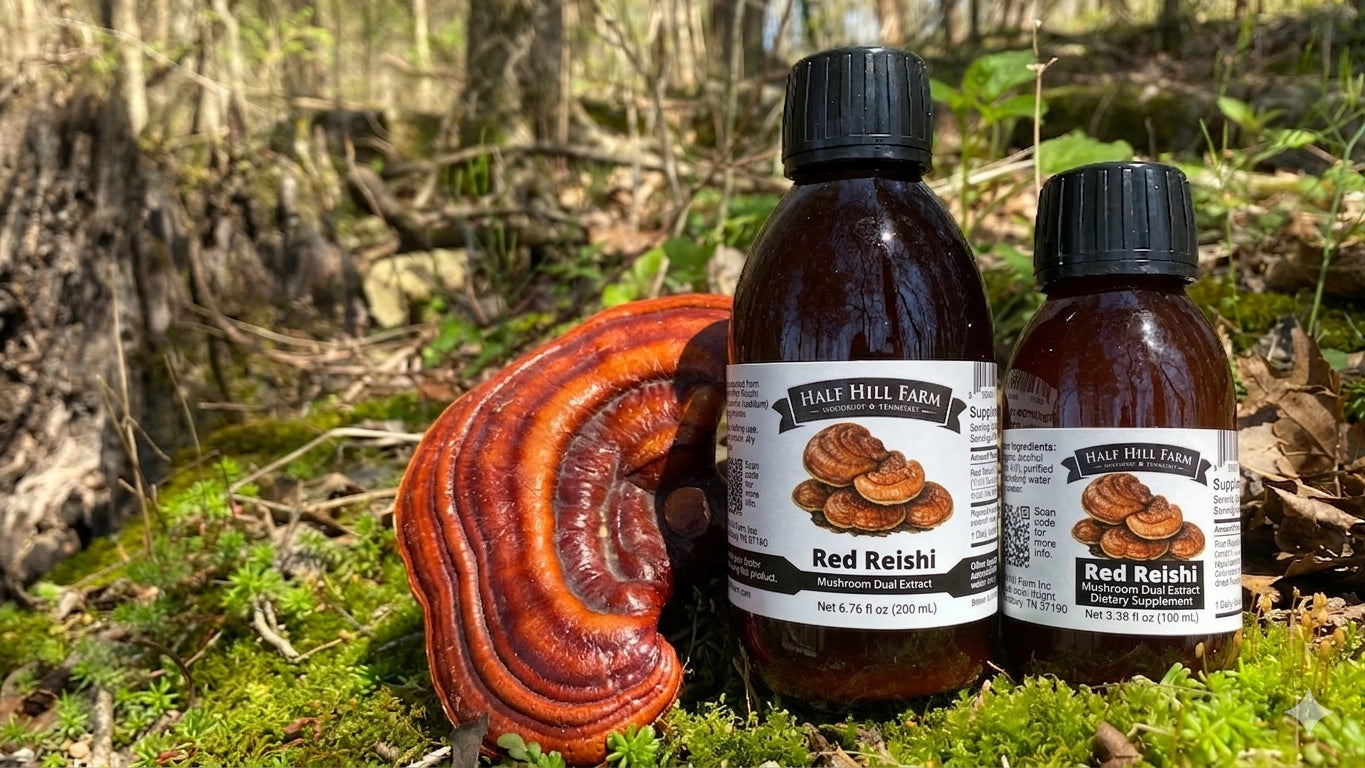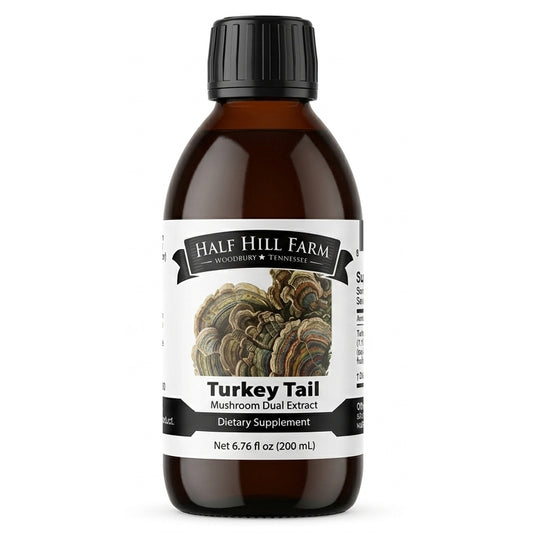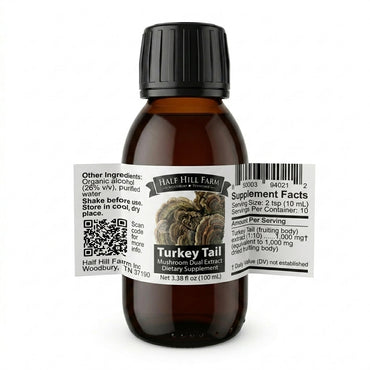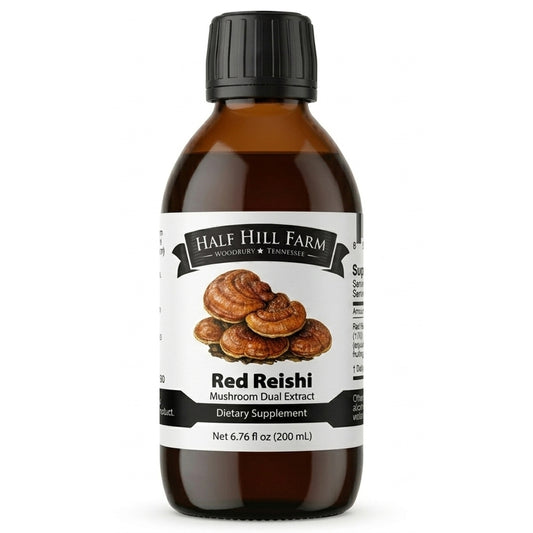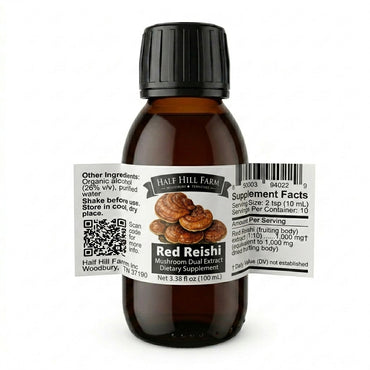
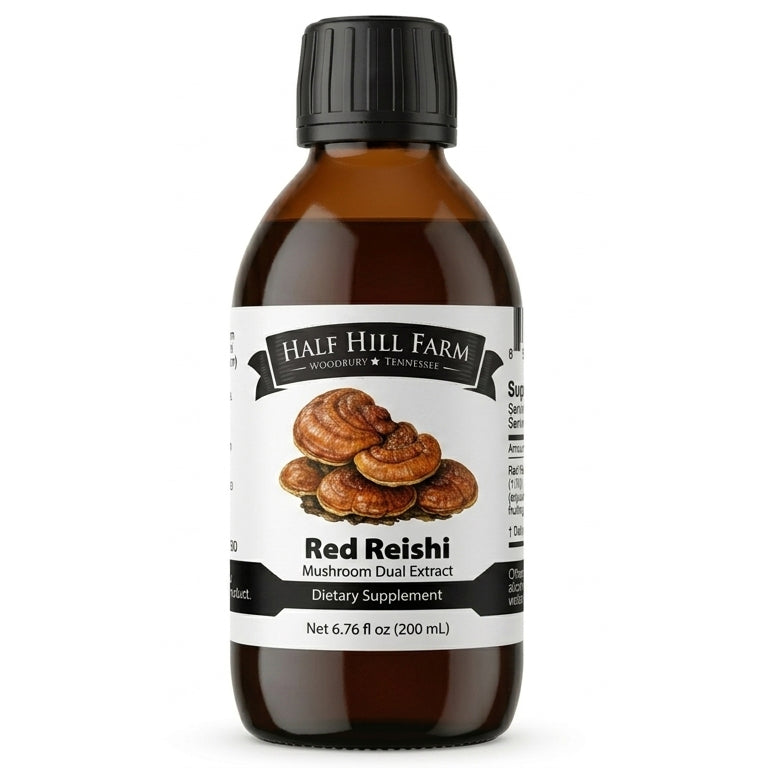


Taxonomic Hierarchy of Red Reishi Mushrooms
- Kingdom: Fungi
- Division: Basidiomycota
- Class: Agaricomycetes
- Order: Polyporales
- Family: Ganodermataceae
- Genus: Ganoderma
- Species: G. lucidum (Curtis) P. Karst.
Etymology and Historical Context: The name Ganoderma is derived from the Greek ganos (brightness/sheen) and derma (skin), while lucidum is Latin for "shiny." In East Asian tradition, it is known as Lingzhi (China), representing "spiritual potency," and Reishi (Japan).
Documented for over 2,000 years, it appears prominently in the Shen Nong Ben Cao Jing (approx. 200 A.D.) as a "Superior" substance. Historically, it was so rare in the wild that it was reserved for royalty and Taoist monks, who depicted it in art as a symbol of longevity and the "Mushroom of Immortality."
Natural Habitat and Distribution: G. lucidum is a saprotrophic fungus primarily found in temperate and subtropical regions globally. It thrives at the base and on the stumps of deciduous trees, showing a marked preference for oak (Quercus), maple (Acer), and occasionally elm. In its natural forest environment, it acts as a primary decomposer, recycling hardwood lignin back into the ecosystem. It is often found in damp, low-light forest floors where decaying wood is abundant.
Environmental Growth Parameters: For the development of a fully mature, laccate (varnished) fruiting body, the environment must be precisely controlled:
- Temperature: Mycelial colonization is most aggressive between 21°C–27°C. Fruiting (pinning) is triggered by a temperature drop to 18°C–24°C.
-
Humidity: Requires extreme relative humidity (85%–95% RH) during the initial "antler" or "pinning" stage, tapering to 75%–80% as the cap expands.
- Light: Phototropic by nature; requires 400–800 lux of indirect light to properly orient its cap development and achieve its deep red pigmentation.
Lifecycle: The Fruiting Body Standard
- Mycelium Phase: 7–14 days for full colonization of a substrate.
- Mature Fruiting Body: 90–180 days (3–6 months).
- The Difference: While mycelium can be "flash-grown" in two weeks, the woody triterpenes and ganoderic acids require the full 6-month maturation cycle to reach their peak concentration in the varnished cap.
Bioactive MycoPeptides of Red Reishi Mushrooms: Red Reishi (Ganoderma lucidum) is the ultimate "stress-hacking" mushroom, heavily researched for its specific peptide chains that support healthy functions at the cellular level.
-
Ling Zhi-8 (LZ-8): A highly specialized immunomodulatory peptide that promotes healthy aging and supports the body's natural ability to adapt to daily physical and mental stressors.*
-
Ganoderma lucidum peptide (GLP): A potent water-soluble antioxidant peptide that actively scavenges free radicals and supports healthy cellular longevity.*
- Glycoprotein F3: Supports healthy communication between immune cells, ensuring a coordinated and balanced biological response.*

A Note on Taxonomy and the Mushroom of Immortality: Genetics recently revealed that the historical Asian "Mushroom of Immortality" is technically the species Ganoderma sichuanense, while the name Ganoderma lucidum strictly belongs to a European sister species. However, before DNA testing, the scientific and agricultural communities universally identified the Asian mushroom as G. lucidum. Because of this, decades of clinical studies, global culture banks, and the Chinese Pharmacopoeia permanently adopted Ganoderma lucidum as the commercial standard. The agricultural supply chain never changed the mushroom—they just kept the historical name. When you see G. lucidum on our label, you are getting the exact, authentic Asian organism backed by thousands of scientific studies.
The Quality Benchmark: Most commercial products utilize "mycelium on grain," which is essentially the underground vegetative state grown on starch. However, the complex triterpenoids (ganoderic acids) only reach significant concentrations during the late-stage maturation of the physical mushroom structure.
Purity and Extraction Standards: A definitive Reishi liquid extract is defined by the presence of Ganoderic acids (triterpenoids), which are almost exclusively synthesized in the woody tissues of the mature 6-month-old pileus (cap). In contrast, powdered mycelium products contain the rice or grain it grows on, causing the final product to be diluted with Alpha-Glucans (starch).
- The Comparison: While mycelium-on-grain products often test as high-starch "fungal food," a pure fruiting body extract should show Alpha-Glucan levels <5%.
- The Marker: The distinct, intense bitterness of our dual-extract is the physical verification of triterpene density—a chemical profile physically impossible to achieve in a grain-based mycelium culture.
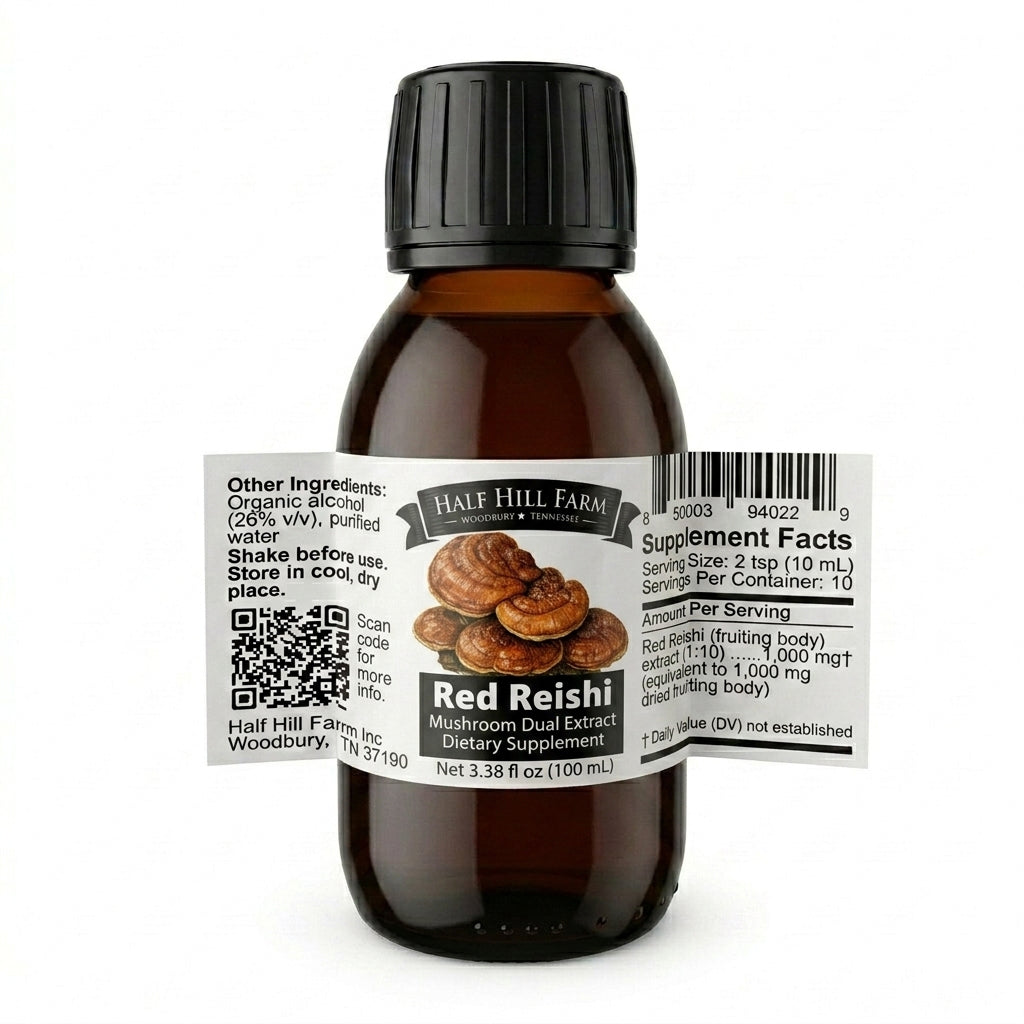
Ways to Consume Red Reishi Mushroom (Ganoderma lucidum): While Red Reishi is non-toxic, it is inedible in its raw state due to a woody, cork-like texture composed of dense lignin and chitin. Historically, it was sliced and simmered for hours as a bitter tea. However, the human digestive tract lacks the chitinase enzyme required to break down these tough cellular walls. To effectively access the non-polar triterpenes and water-soluble polysaccharides, the mushroom must undergo a professional dual-extraction. This process "unlocks" the compounds from the indigestible fungal fiber, transforming a woody bracket into a bioavailable supplement.
Technical Specifications of Red Reishi Mushrooms
- MycoBank ID: MB#148413
- Microscopy: Basidiospores 8.2–12.1 x 6–8 µm; ovoid, truncated apex, double-walled with interwall pillars.
- Genetic Marker: Identity verified via ITS1-5.8S-ITS2 region; 600–650 bp ribosomal DNA sequencing (99% G. lucidum homology).
- Macrochemical: KOH Reaction: Context and pileus surface turn permanently black.
- Chemotaxonomy: 130+ Oxygenated Lanostanes; Ganoderic acids A, B, C, D.
- Nutritional Mode: Primary Saprobe; White-Rot (Hardwood Lignin).
-
Life Cycle State: Holomorph; Laccate (Varnished) Teleomorph.
Microscopy: Basidiospores 8.2–12.1 x 6–8 µm; ovoid, truncated apex. - Purity Marker: Beta-Glucan >25% / Alpha-Glucan <5% (indicates absence of grain fillers).
- Sustainability: Least Concern (LC). Half Hill Farm prioritizes log-cultivated sources to mimic natural hardwood growth.
*These statements have not been evaluated by the Food and Drug Administration. This product is not intended to diagnose, treat, cure, or prevent any disease.
----------
Christian Grantham is a founder of Half Hill Farm®, maker of functional mushroom dual extracts since 2012.